Song Meaning
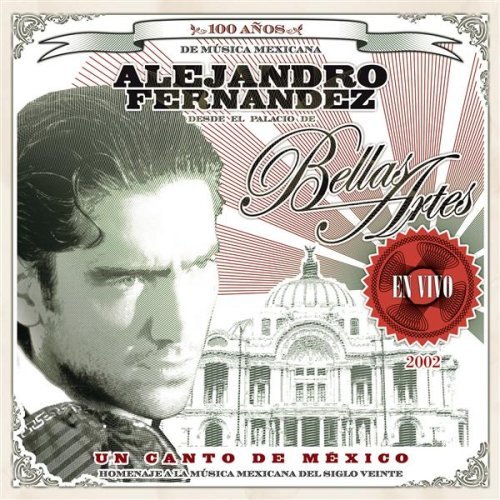
Alejandro Fernández's rendition of "Bésame Mucho" doesn't just deliver a classic bolero; it taps into a primal fear of loss that resonates across generations. The song meaning hinges on that urgent plea: "Bésame, bésame mucho / Como si fuera esta noche / La última vez." It's not merely a romantic request, but a desperate attempt to freeze a moment in time, to ward off an impending separation. The repetition of "Bésame Mucho" acts as a mantra, a charm against the inevitable decay of connection. Fernández's vocal performance underscores this fragility, lending gravitas to the simple yet profound lyrics. The song cleverly exploits the listener's own anxieties about impermanence.
Beneath the surface of passionate entreaty lies a deep-seated insecurity. The singer isn't simply savoring the present, but actively battling the specter of future loneliness. The lines, "Que tengo miedo a perderte / Perderte después," reveal a vulnerability that elevates the song beyond a standard love ballad. It's an acknowledgement of the inherent precarity of human relationships, a fear that intimacy will inevitably lead to heartbreak. The desire to "tenerte muy cerca / Mirarme en tus ojos" isn't just about physical closeness; it's about seeking reassurance, finding a reflection of oneself in the beloved's gaze, a temporary antidote to existential dread.
Ultimately, "Bésame Mucho," as interpreted by Alejandro Fernández, becomes a poignant meditation on time and mortality. The awareness that "tal vez mañana / Yo ya estaré lejos / Muy lejos de tí" casts a shadow over the present joy, transforming a simple kiss into an act of defiance against the relentless march of time. The song's enduring appeal lies in its honest portrayal of love as both a source of immense pleasure and a constant reminder of our own vulnerability. It's a universal sentiment wrapped in a deceptively simple melody, a testament to the power of music to articulate our deepest fears and desires.
 View Artist