Song Meaning
Alejandro Escovedo's "Tula" operates as a mantra, a cyclical incantation against the void. The repetition of 'Tula, Tula' functions less as a proper noun and more as a psychic anchor, a centering point in a landscape of fragmented memories and existential assertions. The opening lines, seemingly disparate – 'a man eating a grizzly bear,' 'I fought fires for seven years' – suggest a grappling with primal forces, a struggle for survival both literal and metaphorical. Are these biographical details, or symbolic representations of inner turmoil? The ambiguity is the point.
The repeated declaration, 'It's the God honest truth / It's a terrible thing,' hints at a painful reckoning. The 'truth' isn't presented as triumphant revelation, but as a burden, a source of anguish. This sets the stage for the song's central theme: the search for deeper meaning beyond surface appearances. Escovedo insists, 'There's more to this love...than the color red,' and 'more to this life...than a random kiss.' These lines reject simplistic interpretations of love and life, suggesting a yearning for something more profound than fleeting pleasure or superficial understanding.
The insistence that 'There's more to this story / Than a beginning or end' is key to understanding the song meaning. Escovedo seems to be pushing against the constraints of linear narrative, suggesting that the essence of experience lies in the in-between spaces, the unresolved tensions, the cyclical patterns. "Tula," then, becomes a sonic embodiment of this idea – a song that resists closure, embracing instead the ongoing process of seeking meaning in a chaotic world. It is a meditation on the complexities of life, love, and the stories we tell ourselves to make sense of it all.
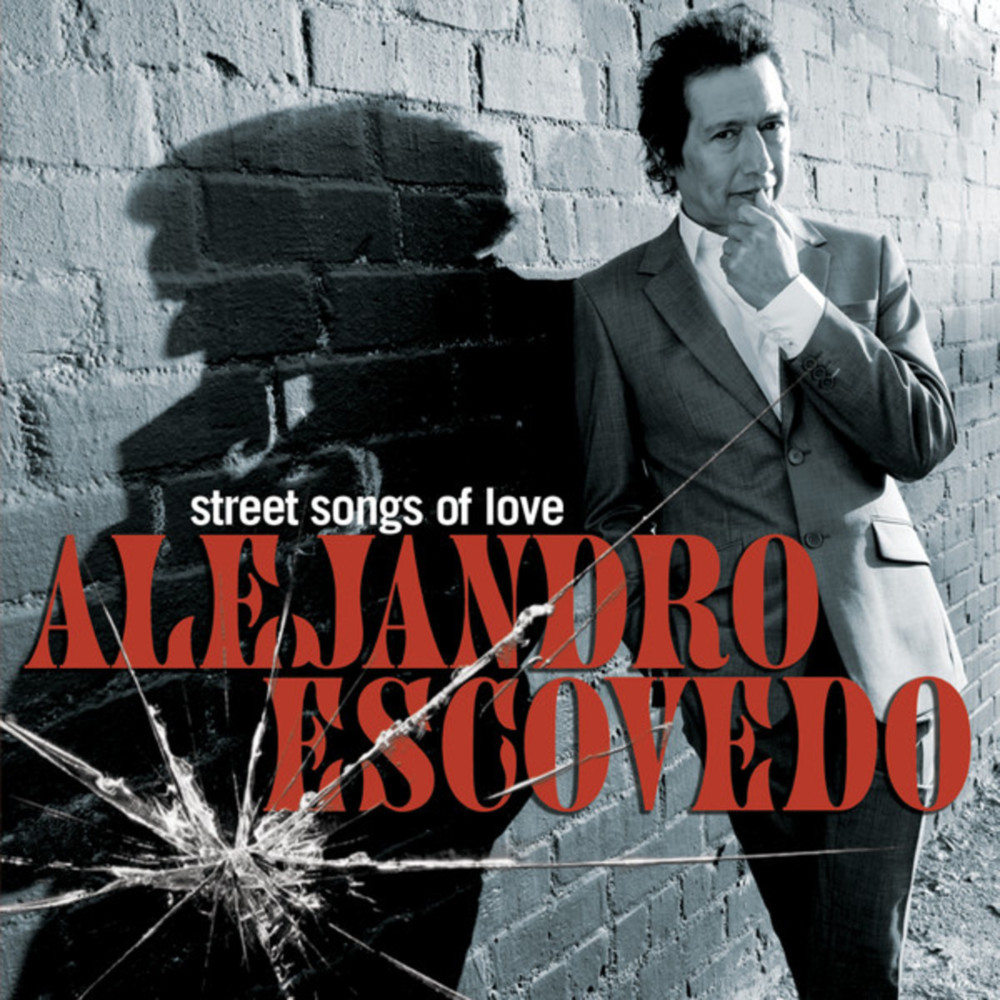
 View Artist