Song Meaning
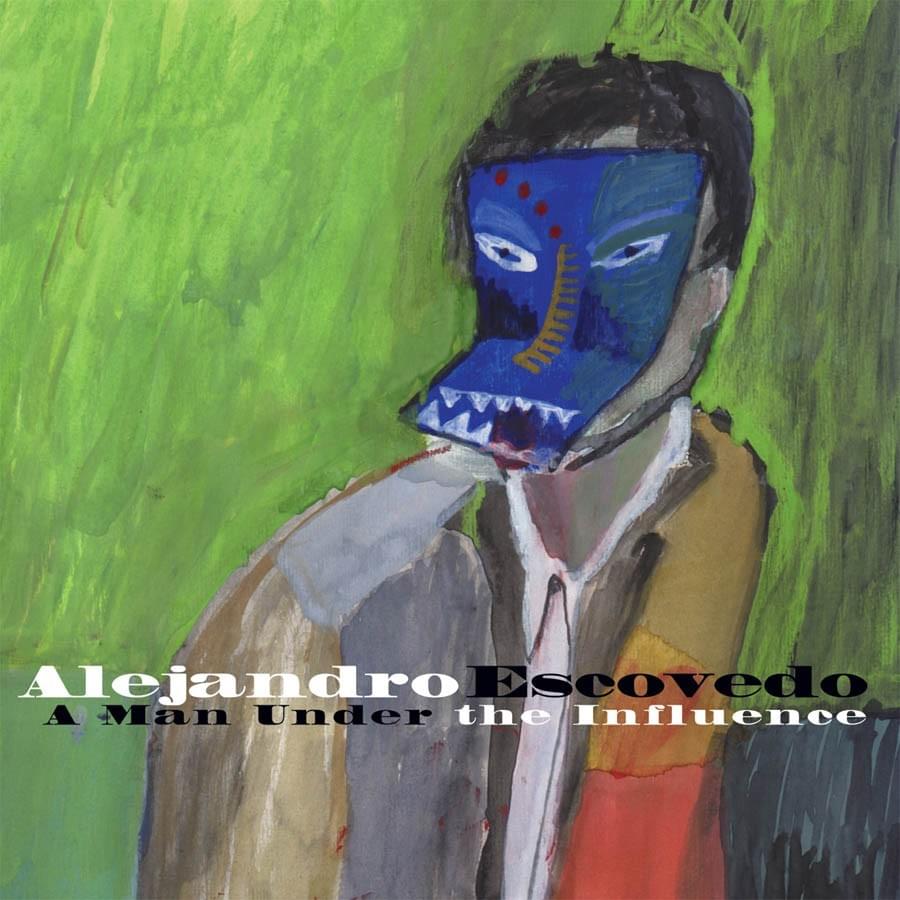
{"song_id": 15709361, "meaning": "Alejandro Escovedo's \"Follow You Down\" isn't a simple love song; it's a raw, exposed nerve of vulnerability masked by devotion. The opening lines, \"Don't love me too much / I don't think I can take it,\" immediately establish a paradox. It's a plea born not of rejection, but of a deep-seated fear of intimacy, hinting at past traumas that make genuine connection feel dangerous. This isn't about a lack of love, but a deficit of self-worth, the terror that one is inherently unlovable or destined to sabotage happiness. The repeated phrase \"I'll follow you 'round\" becomes less a romantic promise and more a desperate attempt to control the inevitable heartbreak he anticipates.
The lyrics drip with the anxiety of someone teetering on the edge. Escovedo sings, \"Don't you dance so close / I don't think I can follow,\" revealing an inability to fully participate in the relationship, a self-imposed distance driven by the \"ghost\" he's been hanging with. This ghost represents the past, the baggage of prior hurts and disappointments that continue to haunt the present. It’s a classic example of attachment theory playing out in song: the fear of abandonment so profound that the speaker preemptively pushes away the source of potential comfort and joy.
The song's brilliance lies in its brutal honesty. There’s no attempt to sugarcoat the speaker's flaws or paint a rosy picture of love. Instead, Escovedo lays bare the internal conflict between the desire for connection and the fear of vulnerability. The shift to \"I'll follow you down\" in the latter half of the song is particularly telling. It suggests a willingness to descend into darkness, to embrace the pain and self-destruction, rather than risk the perceived threat of genuine intimacy. It's a haunting exploration of how past wounds can poison the present, turning love into a minefield of anxiety and self-sabotage."}
 View Artist