Song Meaning
Alejandro Escovedo's "Bottom of the World" isn't just a geographical marker; it's a state of mind, a psychic landscape where disillusionment festers and the past clings like a shroud. The opening lines lament Austin's transformation, a microcosm of a larger decay. This isn't mere nostalgia; it's a pointed observation about the relentless march of time and its corrosive effect on authenticity. The "TV throwing colors on the wall / As watches cities of the world reduced to ashes" suggests a world saturated with superficiality and haunted by looming disaster, viewed from a vantage point of isolation. This vantage point *is* the bottom of the world. The defunct phone booth, once a symbol of connection and intimacy, now only offers a busy signal, underscoring a profound sense of disconnection.
The lyrics hint at a complex personal history. The "paper boy" verse suggests a willingness to serve, perhaps a younger self eager to please, now confronted with the weight of expectation. Yet, there's also a defiant undercurrent: "You may think you know all there is to know about me / You might think the beast is in the cage / But everything you see is just an illusion." This implies a hidden depth, a simmering potential for chaos or transformation lurking beneath a carefully constructed facade. The "beast in the cage" metaphor speaks to the struggle between societal expectations and one's true nature, a theme prevalent in Escovedo's work.
The final verse, addressing a "little boy" and warning him about the dangers of the streets, reveals a protective, almost paternal instinct. The advice to "get yourself home back to Houston" isn't just a cautionary tale; it's a recognition of the vulnerability inherent in navigating a world that has become increasingly harsh and unforgiving. Ultimately, "Bottom of the World," isn't just about societal decay, it's about the personal cost of witnessing that decay, the struggle to maintain hope and authenticity in the face of overwhelming disillusionment. It’s a stark reminder that sometimes, the most dangerous places aren't on a map, but inside our own minds.
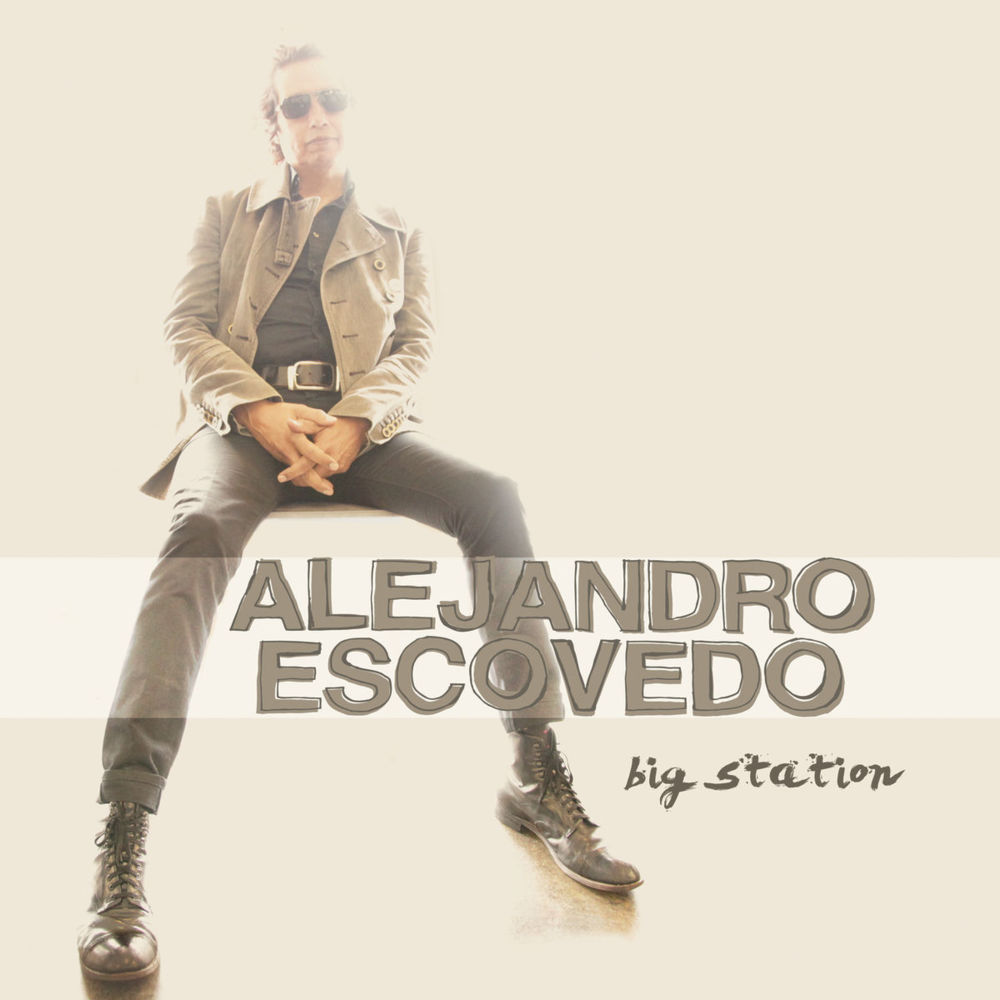
 View Artist