Song Meaning
The lyrics paint a picture of someone feeling exposed and scrutinized after a period of being unseen or perhaps deliberately hidden. There's an immediate sense of unease with the phrase "Oh, the dirty of it," suggesting that this revelation or visibility is not entirely welcome, even if it follows a perceived "choosing." The contrast between the public's desire for attention ("Party people, they all want to start at me") and the narrator's simple, almost mundane desire for solitude ("All I want is an office in the country") highlights a deep-seated aversion to being the center of attention.
The core tension lies in the confrontation after being seen. The repeated question, "Wanted to see me, what you gonna do? / Now that you see me," carries an accusatory, almost defiant tone. It implies that the act of being seen has put others in a position where they must react or justify their previous curiosity, while the narrator remains resolute in their desire for a quiet, private existence. The repetition of "Tick tock" acts as a ticking clock, emphasizing the pressure of this moment and the inevitability of a response or consequence.
The most striking craft element is the juxtaposition of the sacred and the profane, or at least the intensely personal and the public. Phrases like "Ripped the label" and "Holy" are placed near the narrator's desire for a country office, suggesting a rejection of external definitions or judgments in favor of a more authentic, perhaps even spiritual, self-sufficiency. The insistent repetition of "All I want is an office in the country" functions as a mantra, a desperate plea for escape from the invasive gaze.
This lyrical construction is effective because it captures a very specific kind of anxiety: the discomfort of being observed when one yearns for anonymity. The simple, declarative statements about wanting a country office, set against the implied drama of being "chosen" and "seen," create a powerful sense of internal conflict. The "tick tock" serves as a constant reminder that this moment of exposure is fleeting but also carries weight, forcing a reckoning with the observer and the observed.
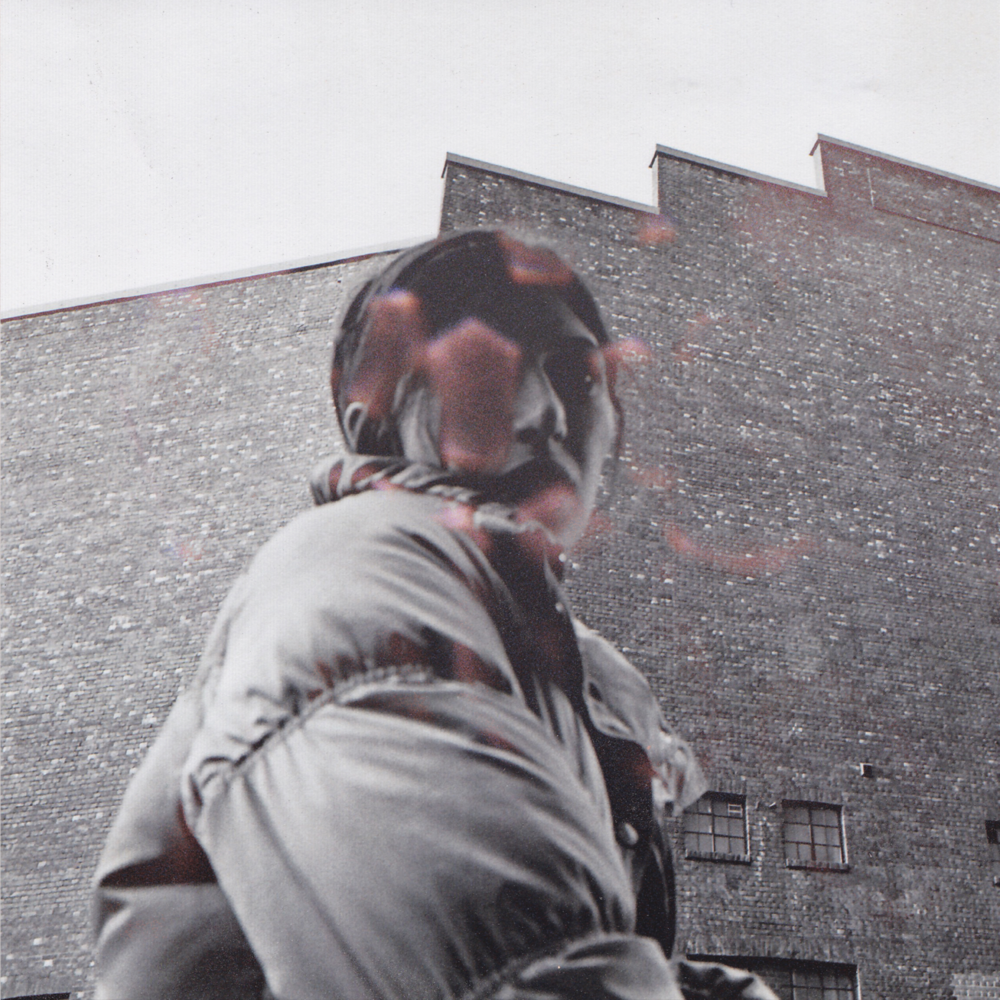
 View Artist