Song Meaning
The lyrics paint a picture of someone grappling with a strained connection, oscillating between a desire for openness and a sense of being misunderstood. The opening verse introduces the idea of 'doors' as a means of departure, yet also as an invitation: "Open it up to me." This sets up a tension between leaving and entering, freedom and confinement, all under the question, "Can you imagine me?" It’s a plea for recognition, for the other person to see past their own perspective.
The central conflict emerges in the chorus and second verse, where the narrator feels their efforts are being returned or dismissed. The imagery of "Your B-sides on the lawn" suggests something secondary, perhaps unfinished or unappreciated, being placed in a public, exposed space. The narrator has "sowed these seeds," implying personal investment and effort, only to question, "Why are you giving them back to me?" This highlights a feeling of rejection despite their attempts to nurture something.
The craft here hinges on a peculiar blend of domestic and abstract imagery. "Tree ties up out of the flue" is a striking, almost surreal image that conveys a desperate, perhaps futile, attempt to fix something or send something important away from a confined, smoky space. This effort is directly linked to a sense of lost time and, ultimately, lost connection: "Now I'm losing too much time" and "Now I'm losing you." The repetition of "All these lamps are free" and their dismissal as meaningless adds to the feeling of emotional detachment or a perceived lack of value in the narrator's surroundings or offerings.
Ultimately, these lyrics resonate because they capture the quiet frustration of unreciprocated effort and the confusion that arises when personal investment feels invalidated. The narrator’s assertion of their right to seek connection ("Finding a hand in you? ... But it's my right to") clashes with the implied rejection, leading to a resigned "Then if you're not for me / Guess I am not for you." The closing lines, "Time flies / When you're writing B-sides," suggest that while the narrator may be creating their own secondary, perhaps less significant, work, the real cost is the precious time slipping away and the person they are trying to reach.
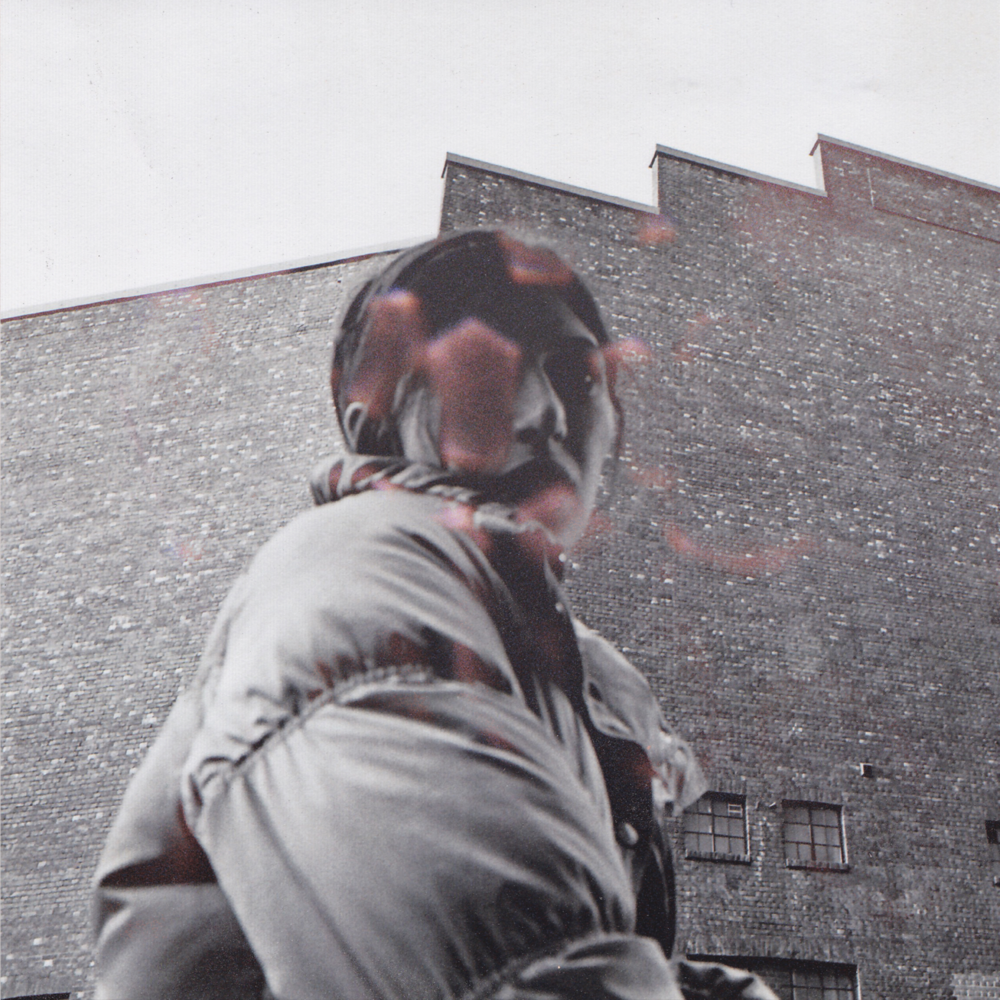
 View Artist