Song Meaning
The narrator openly admits to being overly sentimental, a trait they attribute directly to a specific person. This isn't a passive state; it's a direct consequence of someone else's influence. The lyrics paint a picture of someone who lives through music, finding a consistent emotional flavor in the songs they sing, which in turn leads others to label them as sentimental. This self-awareness is key – the narrator knows they're perceived this way and seems to accept it as a natural outcome of their experience.
The core tension lies in the narrator's romantic idealism versus the perceived reality of their sentimentality. They define romance as dreaming, and their dreams are expressed through song, specifically for someone who loves them just as much. The implication is that this deep, reciprocal love is the very thing that makes them so sentimental, suggesting a positive, albeit intense, emotional state. It's a defense of their feelings, framing them as a natural response to finding a profound connection.
The most striking aspect is the cyclical nature of the sentimentality. The narrator sings songs that have a certain flavor, which leads to them being called sentimental. This sentimentality, in turn, fuels their dreaming and singing, creating a loop where their emotional expression is both a cause and an effect of their love. The repeated phrase "cada vez mais sentimental" emphasizes this escalating, almost inevitable, emotional state, suggesting it's a continuous process driven by the relationship.
Ultimately, the lyrics resonate because they articulate a relatable experience: how profound love can amplify one's emotional nature. The narrator isn't just sentimental; they're sentimental *because* they've found someone who inspires that depth of feeling. The writing makes this intense emotional state feel not like a flaw, but a natural, almost beautiful, consequence of deep connection, validating the narrator's experience and, by extension, the listener's own intense emotions.
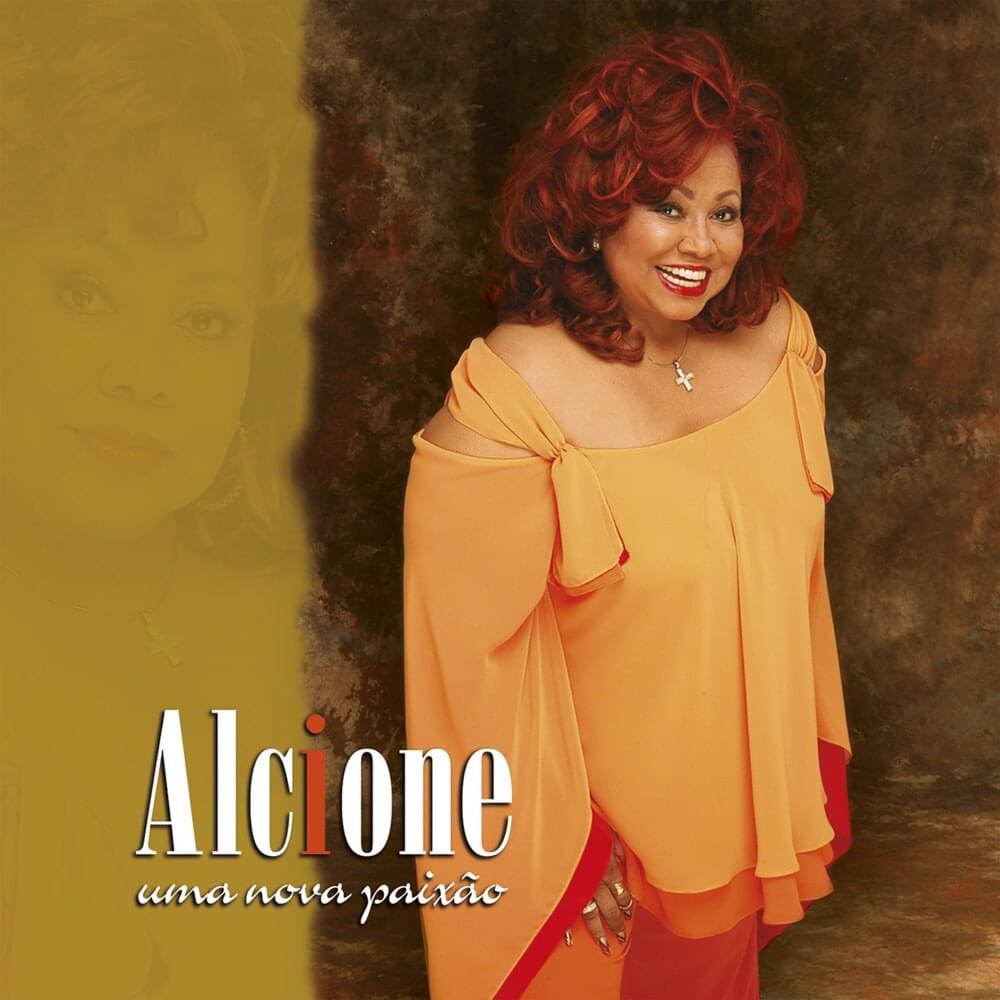
 View Artist