Song Meaning
This samba isn't just music; it's a specific, nuanced expression that many haven't quite grasped. It's presented as a sophisticated blend, directly comparing its essence to jazz in a way that feels authentic and deeply rooted. The lyrics assert a unique identity, one that embraces its mixed heritage with pride and a knowing wink.
The core tension lies in the assertion of this samba's enduring vitality against potential dismissal. Phrases like "quem pensa que ele morreu / não sabe de nada" (who thinks it died / knows nothing) highlight a defiance, a claim that this musical form is alive and misunderstood. It’s a declaration that its perceived subtleties are actually its strength, a testament to its complex origins.
The most striking craft element is the intricate weaving of cultural touchstones. The narrator equates "swing" with "ginga," "soul" with "mandinga," and "banzo" with "blues," creating a powerful chain of Afro-diasporic musical and emotional connections. This linguistic artistry establishes the samba not just as a genre, but as a living embodiment of a rich, interconnected history, culminating in the potent declaration: "O samba é primo do jazz" (Samba is jazz's cousin).
This lyrical approach works because it grounds abstract musical concepts in tangible cultural parallels and a confident, almost defiant tone. The repeated emphasis on its unique, hybrid nature – "afro mestiço," "híbrido banto nagô" – coupled with its ageless energy, creates a compelling portrait of a resilient art form. It invites the listener to recognize a deeper, more complex truth behind the rhythm, celebrating its enduring spirit and its kinship with jazz.
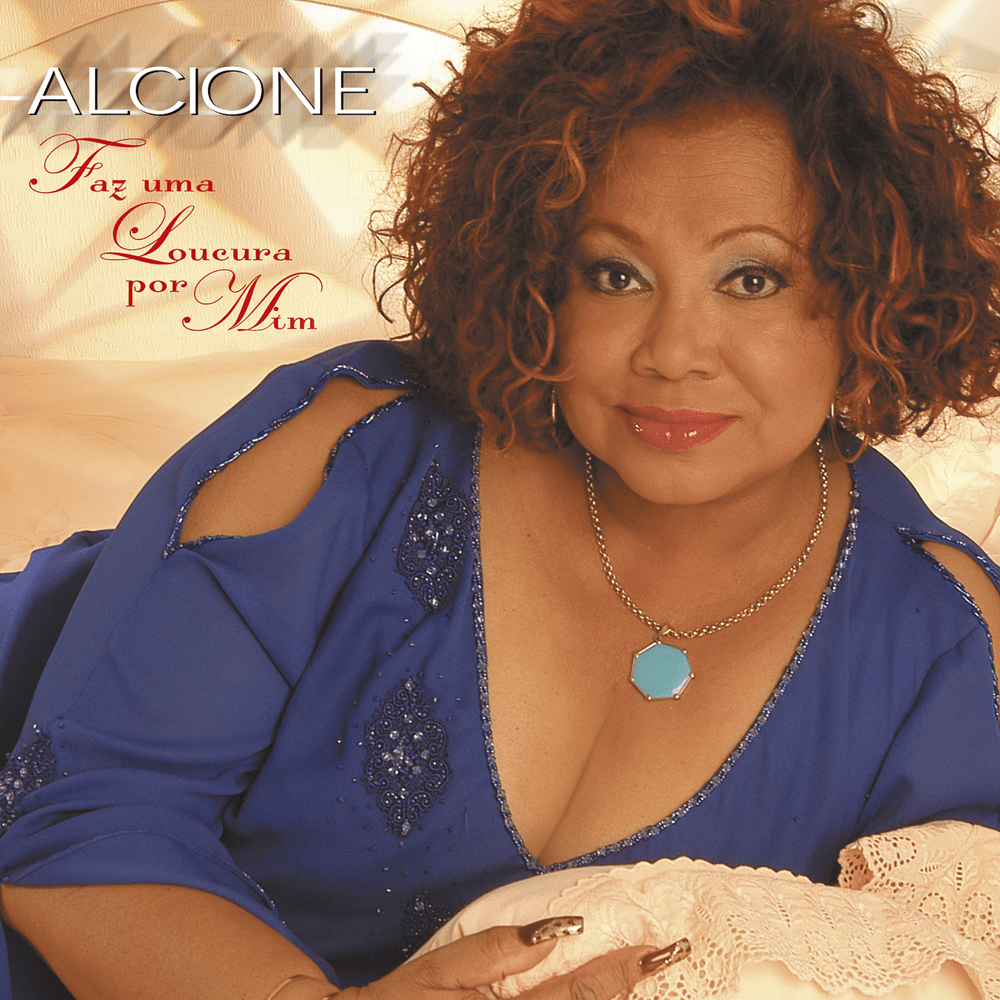
 View Artist