Song Meaning
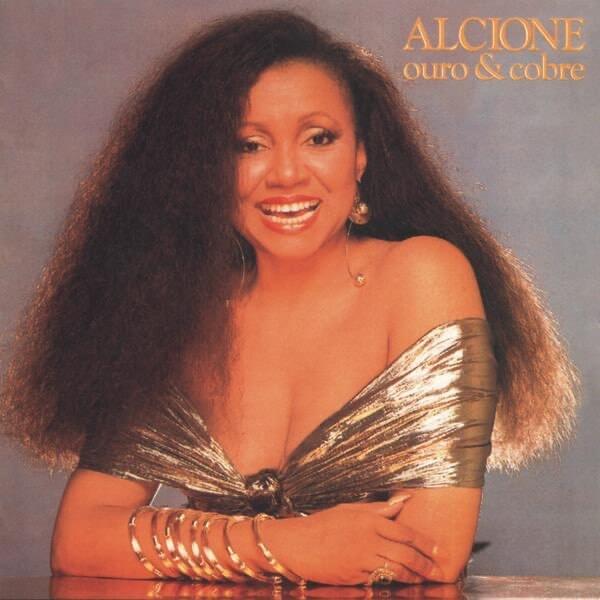
This song paints a stark picture of a love that was fundamentally unequal from the start. The narrator, despite their own poverty, offered a "heart of gold," only to find it exchanged for a "copper" one. This immediately establishes a core tension: the immense value of the narrator's devotion versus the perceived cheapness of the beloved's affection. The contrast between "gold" and "copper" isn't just about material worth; it speaks to the intrinsic quality and purity of emotion.
The lyrics highlight a profound disconnect within the relationship, even when physically together. The beloved's feelings are described as "glass," fragile and easily broken, while the narrator's remain "pure brilliant." This imagery underscores the vulnerability of the narrator's love and the perceived hollowness of the other person's. The "gale of illusions" suggests the narrator was caught in a whirlwind of false hope, clinging to an "immeasurable love" that was never truly reciprocated.
The most striking craft element is the extended metaphor of light and darkness. The narrator proclaims, "I was the sun of your days, I gave you warmth, clarity." This powerful image of providing life-giving light is directly juxtaposed with the beloved being "the dark night without a moon, cold stormy night." This contrast isn't just descriptive; it reveals the narrator's role as a source of light and warmth in a relationship that was ultimately defined by darkness and coldness.
Ultimately, the effectiveness of these lyrics lies in their raw, unvarnished portrayal of unrequited devotion and the eventual, almost numb, realization of its futility. The final lines, "And now that the passions are over, I see that I no longer feel the pain," suggest a profound emotional exhaustion rather than a triumphant recovery. The narrator has given everything, only to be left with the quiet emptiness of a love that was never truly there, a realization that hits harder than any lingering ache.
 View Artist