Song Meaning
These lyrics open with a sudden, visceral encounter: rummaging through a drawer, the narrator "dei de cara com a saudade em minha frente"—came face-to-face with longing itself. It's a moment of unexpected emotional collision, triggered by a yellowed photograph of a past love. The image, seen in profile, sparks an immediate flood of memory and reflection.
The central tension here lies in the narrator's retrospective interpretation of the past. The photograph's subject, or perhaps the narrator's memory of them, "parecia já que adivinhava" the relationship's end, even sensing the coming pain. This sense of prescience, coupled with a dedication on the photo's back asking to be remembered, creates a poignant irony: the memory endures, but the love itself has been "que o tempo engavetou"—filed away by time, much like the photo in the drawer.
What truly makes these lyrics hit hard is the surprising detail that reignites the flame of memory: the love, once filed away, is brought back "ao lado de um sachê." This mundane object, a simple sachet, acts as a powerful, almost Proustian trigger, pulling the narrator back to the past. It's a testament to how seemingly insignificant things can unlock profound emotional archives, making the experience feel incredibly authentic and relatable.
Ultimately, the lyrics culminate in a profound understanding. The narrator acknowledges the past as "o filme que passou"—a film that has played out—and expresses a wish for the former lover's happiness, mirroring their own present state: "feliz, como eu sou / Feliz mais sem você." This isn't a story of lingering heartbreak, but of mature acceptance, where the past is remembered with a bittersweet tenderness, finally understood from the vantage point of a contented present.
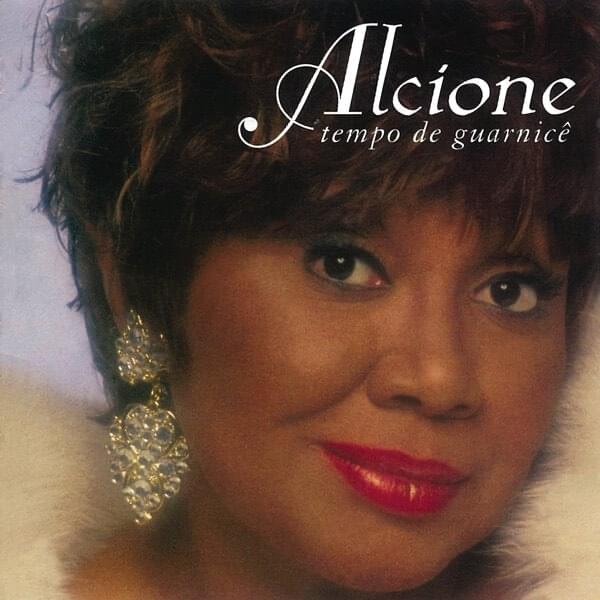
 View Artist