Song Meaning
The lyrics paint a poignant picture of a poet's passing in a humble dwelling, marked by a silence that's immediately contrasted with the sound of sorrowful yet resilient music. The air carries a scent of tears, but these aren't just tears of despair; they're interwoven with the melodies of the bandolim and viola. This suggests that even in grief, the community finds solace and expression through song, a testament to the poet's own teachings about the enduring spirit of samba.
The central tension lies in the community's response to loss. The poet's death is acknowledged, but the lyrics propose a way to transcend the finality of it. By singing a slow samba, the people transform their mourning into a form of prayer, a way to articulate their pain while simultaneously keeping the poet's spirit alive. The idea that the poet merely 'adormeceu' (fell asleep) like a 'pássaro cantor' (singing bird) at dusk softens the harsh reality of death, framing it as a peaceful transition rather than an end.
The recurring image of the poet as a 'pássaro cantor' is particularly effective. It evokes fragility, beauty, and the power of song, linking the poet directly to the lifeblood of samba. Furthermore, the contrast between the poet's death and the idea of him being a 'semente' (seed) for future samba highlights a profound belief in artistic legacy. The abandoned cavaquinho, left 'vazio' (empty) in a bar, serves as a tangible symbol of absence, yet the lyrics quickly pivot to the idea that this absence will be filled by new music born from remembrance and continued singing.
Ultimately, the lyrics resonate because they offer a powerful vision of how art and community can transform grief. The poet's physical absence doesn't equate to silence; instead, it ignites a collective act of remembrance through samba. The music becomes a living tribute, a way for the people to process their pain and ensure that the poet's influence, like a seed, continues to grow and inspire new melodies.
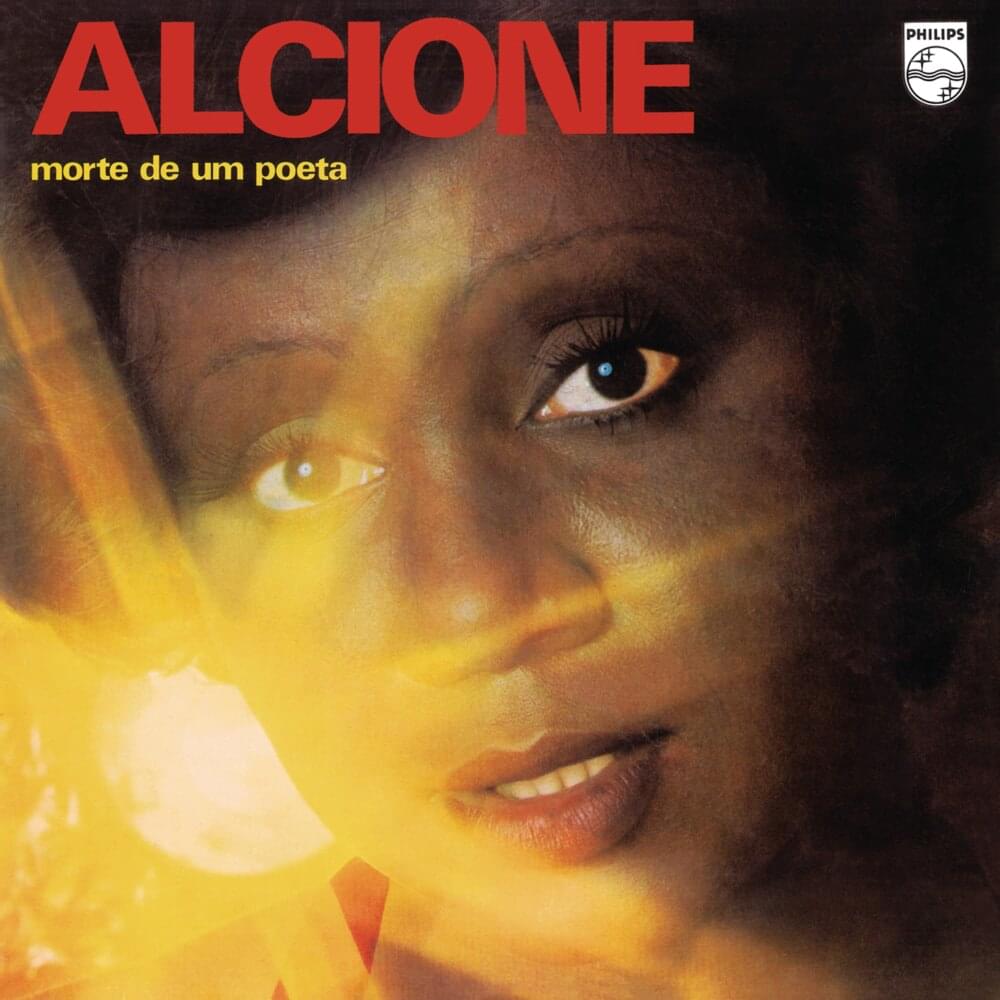
 View Artist