Song Meaning
The lyrics paint a picture of resigned acceptance in a relationship that's both deeply loved and inherently flawed. The opening lines, "Deixa como está / O que não tem remédio," immediately set a tone of surrender, suggesting a recognition that some situations, or perhaps people, are beyond fixing. This isn't a call to action, but a quiet acknowledgment of life's complexities, where explanations are elusive and suffering is a choice one can opt out of. The narrator grapples with this paradox: a love that feels essential yet is also a source of pain.
The core tension lies in the push and pull between the desire for independence and the undeniable magnetic pull of the partner. The narrator professes to have tried to detach, to "pensar mais em mim / E viver minha vida," but this resolve crumbles under the weight of the connection. The physical intimacy is described as overwhelming, a force that obliterates rational thought: "E quando o sangue esquenta / Eu não sei mais de mim." This suggests a relationship where passion overrides logic, making separation a near-impossible feat.
The most striking element is the recurring motif of incompleteness when the partner is absent. The narrator admits, "Sem você está faltando / A metade de mim." This isn't just about missing someone; it's a profound statement of identity being intrinsically tied to the other person. The lyrics suggest that the narrator's sense of self is so intertwined with this relationship that leaving feels like a literal amputation, a loss of a fundamental part of their being. The repeated phrase "Deixa como está" becomes less about apathy and more about a reluctant, almost desperate, preservation of what remains, even if it's imperfect.
This emotional resonance is amplified by the contrast between the narrator's stated desire for self-preservation and their inability to act on it. The lyrics capture that all-too-human struggle of knowing something isn't ideal but being unable to let it go because the connection feels vital. The raw honesty about being unable to "arrancar do peito" this person, despite the difficulties, makes the sentiment feel deeply authentic. It’s the quiet heartbreak of loving someone who is both your anchor and your storm, and choosing to stay because the alternative feels like losing yourself entirely.
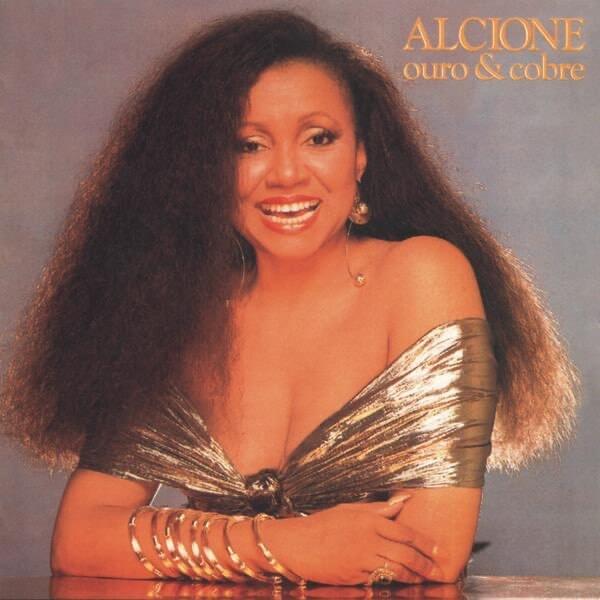
 View Artist