Song Meaning
The lyrics paint a raw picture of heartbreak, starting with the immediate sting of being hurt by someone who didn't reciprocate the narrator's deep affection. The opening lines, "Machucou / Doeu fundo a dor," immediately establish a tone of profound pain, amplified by the narrator's admission of "querer demais / Quem não me quis." This sets up a central conflict: the pain of unrequited love and the feeling of being deliberately left unhappy by someone who had the power to change that.
This emotional core is further developed as the narrator describes reaching a point of emotional exhaustion. The imagery of having "de tanto chorar / Eu já não tenho lágrimas" and "de tanto esperar / Eu não tenho dúvidas" suggests a profound depletion of feeling, moving from intense sorrow to a weary certainty. The realization that the intense emotion was merely "uma ilusão" and the "fogo que ardeu / No meu peito / Foi paixão" marks a critical shift from raw pain to analytical understanding, even if that understanding comes from a place of deep suffering.
The most striking aspect of the craft here is the direct, almost declarative progression from pain to resolution. The narrator states, "Consegui te esquecer / Já parou de doer / Fiz as pases com a paz." This isn't a gradual healing process depicted; it's a definitive announcement of recovery, achieved through sheer endurance and a final, decisive break from the past. The repetition of "Machucou / Me machucou" in the beginning emphasizes the initial wound, making the final declaration of peace feel earned and hard-won.
Ultimately, the effectiveness of these lyrics lies in their unflinching honesty about the aftermath of intense emotional investment. The narrator doesn't shy away from the depth of the initial hurt or the exhaustion that follows, but the power comes from the final, resolute statement of having overcome it. It’s the stark contrast between the initial agony and the final, declared peace that makes the narrator's hard-won tranquility resonate.
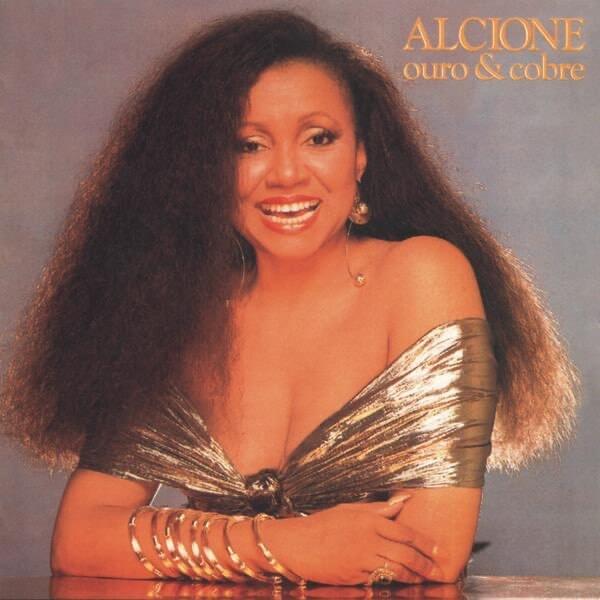
 View Artist