Song Meaning
This track paints a vivid picture of a journey from Ilha de Maré to the Lavagem do Bonfim, a cultural celebration. The narrator arrives with a clear purpose: to samba and participate in the ritual. The initial lines establish a sense of place and intention, setting the stage for the unfolding events with a direct address, "minha senhora" and "compadre," grounding the narrative in a communal, celebratory spirit.
The core of the song lies in the narrator's active participation in the Lavagem do Bonfim. They travel by carroça, a traditional mode of transport, and upon arrival, disembark to perform the ritual washing of the "escada da colina" with water, flowers, and perfume. This act is immediately followed by the joyous expression of samba, highlighting the fusion of religious observance and festive celebration.
The repetition of "Aí foi que eu sambei" acts as a powerful refrain, emphasizing the culmination of the journey and the pure, unadulterated joy experienced. The inclusion of "compadre" and "comadre" further reinforces the communal aspect, suggesting that this celebration is shared and deeply rooted in local tradition and personal connection. The lyrics capture a moment of profound cultural immersion and personal fulfillment through dance and ritual.
What makes these lyrics resonate is their straightforward yet evocative depiction of a specific cultural event. The narrative unfolds like a story, moving from arrival to participation to ecstatic expression. The simple, direct language and the focus on sensory details like "água, flores e perfume" allow the listener to feel present in the moment, experiencing the vibrant energy of the Lavagem do Bonfim and the narrator's infectious delight.
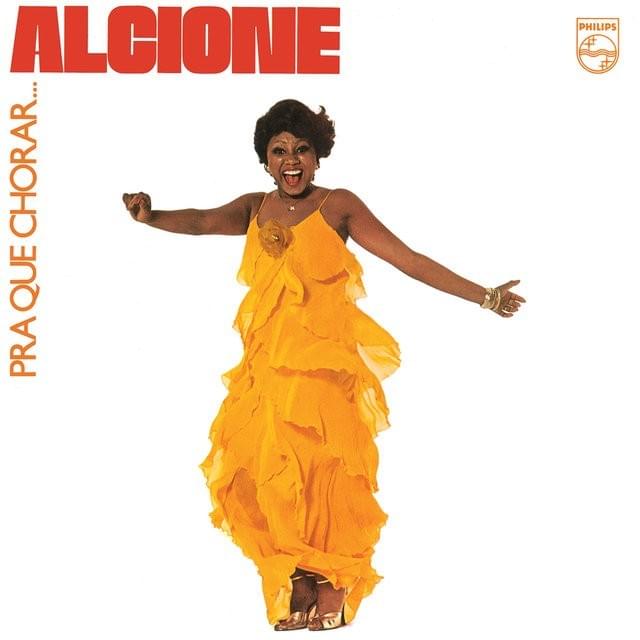
 View Artist