Song Meaning
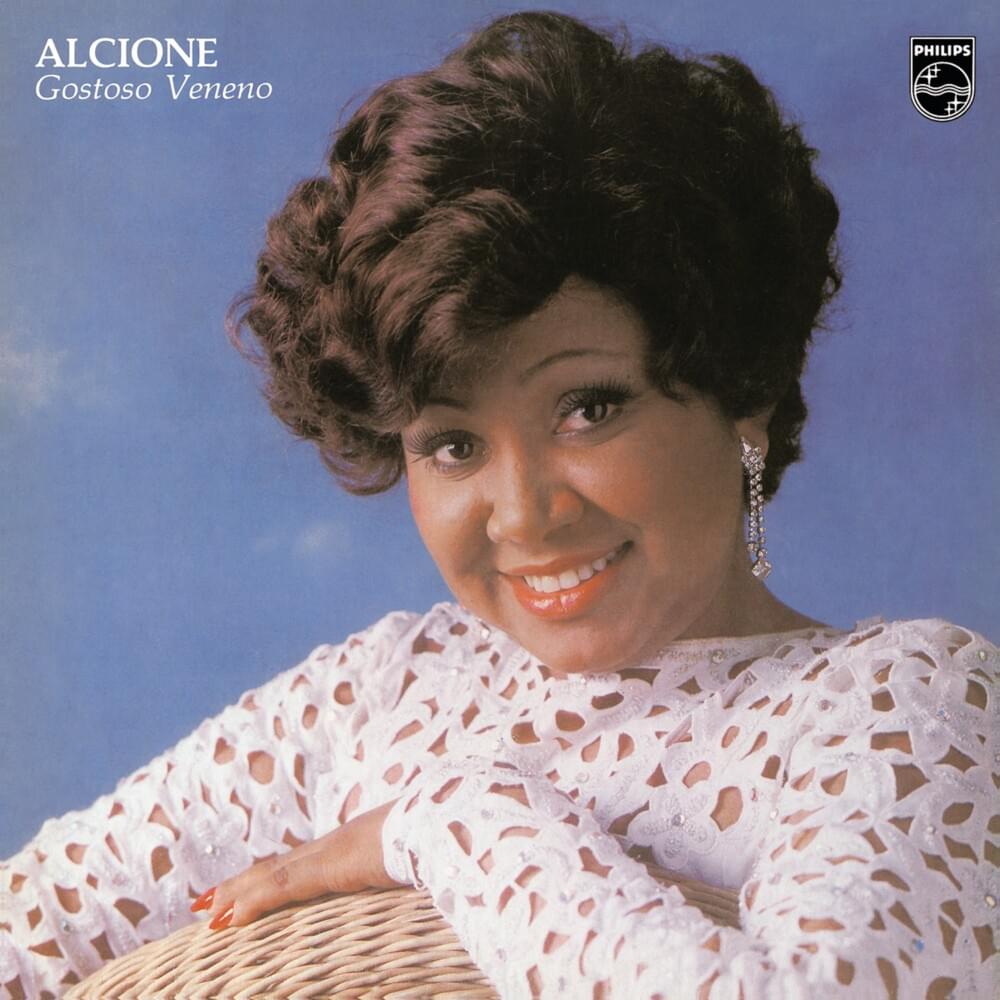
This track plunges headfirst into the intoxicating paradox of a love that harms. The narrator declares, "Este amor / Me envenena" (This love / Poisons me), immediately establishing a dangerous allure. Yet, this destructive force is embraced, with the recurring refrain "Mas todo amor / Sempre vale a pena" (But all love / Is always worth it). It’s a declaration that the pain and pleasure are inseparable, a potent cocktail the speaker craves.
The central tension lies in the acceptance of suffering as a byproduct of intense affection. The lyrics oscillate between extremes: "Desfalecer de prazer / Morrer de dor" (Fainting from pleasure / Dying from pain). This stark contrast isn't a plea for escape but an affirmation of the experience, as the narrator concludes, "Tanto faz / Eu quero é mais amor..." (It doesn't matter / I want more love...). This suggests a deep-seated belief that even a painful love is superior to none at all.
The imagery of the "água da fonte / Bebida na palma da mão" (water from the fountain / Drunk in the palm of the hand) and the "Rosa se abrindo / Se despetalando no chão" (Rose opening / Petaling itself on the ground) paints a picture of fleeting, ephemeral beauty. This transient nature, coupled with the idea that "Quem não viu e nem provou / Não viveu, nunca amou..." (Who hasn't seen and hasn't tasted / Hasn't lived, never loved...), reinforces the narrator's commitment to embracing this "Gostoso Veneno" (Delicious Poison).
Ultimately, the lyrics resonate because they articulate a raw, almost defiant embrace of love's double-edged nature. The narrator's willingness to "Morrendo de amor" (Dying from love) while acknowledging life's brevity ("Se a vida é curta / E o mundo é pequeno" - If life is short / And the world is small) transforms the potential tragedy into a passionate, albeit dangerous, pursuit of feeling alive-ness.
 View Artist