Song Meaning
The lyrics open with a raw confession of being cornered and banished, a speaker pushed to their emotional brink. There's a palpable sense of betrayal and a desperate attempt to avoid pain. This immediate vulnerability sets a tense, confessional tone.
A powerful shift emerges as the speaker warns against "disenchanting" a woman like her, invoking the image of a "baiana" who "roda a baiana, incorpora" and refuses to "não quer mais subir." This isn't just a metaphor for anger; it's a direct cultural reference to spiritual possession, suggesting a formidable, almost supernatural, transformation in response to mistreatment. The tension lies in this sudden, defiant embrace of a potent, perhaps uncontrollable, force.
The "baiana" imagery is central, evolving from a symbol of the speaker's awakened power, capable of making "qualquer malandro... sambar," to an external, almost rival, force "making a spell for the man who is mine." This blurring of internal power and external threat culminates in an intense identity crisis. The repeated question, "Será que é ela, sou eu?" highlights a profound loss of self, where the line between the speaker and this powerful "entidade" has completely dissolved.
What makes these lyrics so impactful is their masterful use of Afro-Brazilian spiritual imagery to explore betrayal and identity. The speaker's journey from victim to a woman embodying a powerful "entidade" is compelling, but the twist is that this power doesn't necessarily bring peace. Instead, it leads to a disorienting self-questioning, making the listener ponder the true cost of such a profound transformation and the complex nature of reclaiming agency.
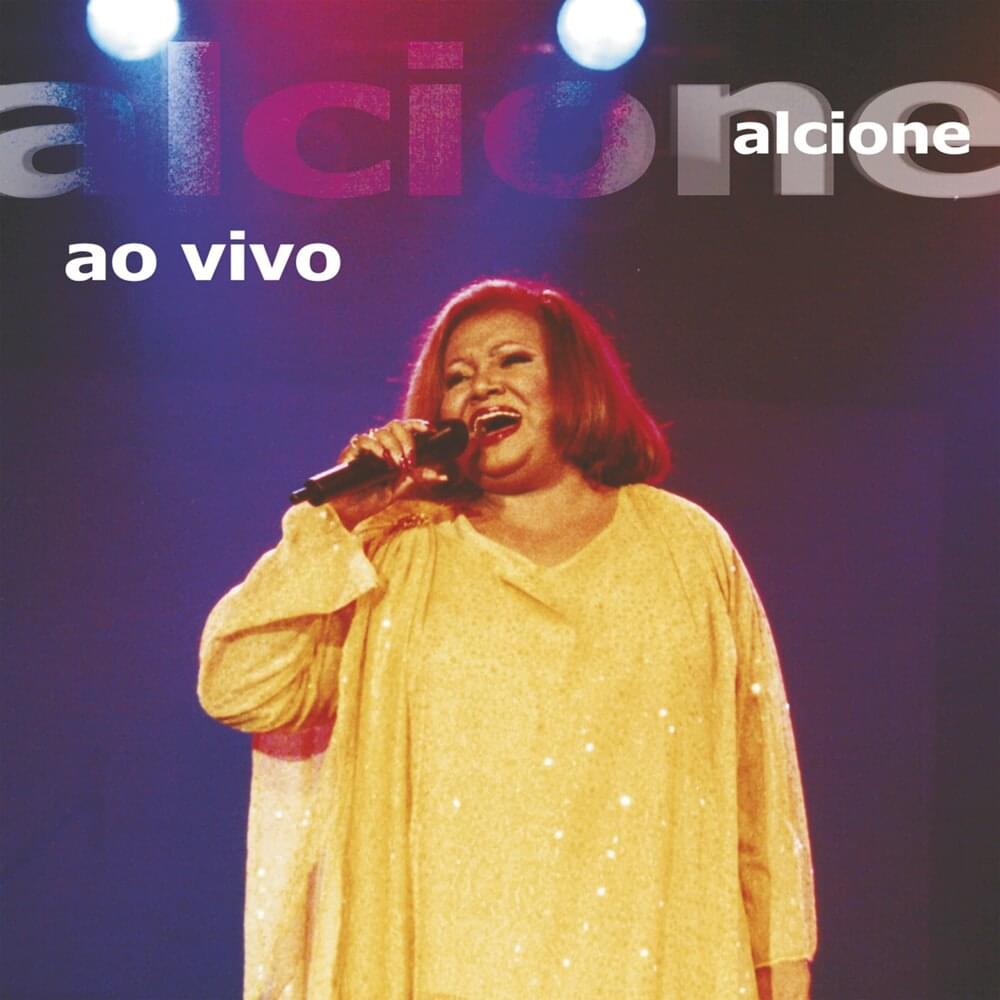
 View Artist