Song Meaning
The lyrics paint a vivid picture of Carnival day, a moment of splendor where the vibrant "gente de cor" (people of color) command the runway with regal presence, celebrating the iconic Portela samba school. This initial scene is steeped in a joyous, almost dreamlike atmosphere, a stark contrast to the everyday struggles the narrator implies.
However, this festive illusion quickly gives way to a poignant critique. The narrator observes that while Carnival offers a temporary escape, a "day of grace" where joy and love are shared "without distinction of color," the reality for the Black community is a return to the "humble shack" after the festivities end. This cyclical pattern highlights a deep-seated social inequality that the temporary revelry cannot erase.
The core of the lyrics lies in this powerful call to action: "Negro acorda, é hora de acordar" (Black person wake up, it's time to wake up). The narrator urges the community not to deny their heritage but to transform the fleeting joy of Carnival into a sustained reality. The plea to "make your Maria a queen every day" and to pursue education, symbolized by singing "a samba at the university," suggests a path toward lasting dignity and true royalty, moving beyond the temporary status of a "king" only during the festivities.
This powerful message is delivered through sharp contrasts: the fleeting "king" of Carnival versus the "prince" of the future, the "humble shack" versus the envisioned future free from it. The lyrics effectively use the heightened emotion of Carnival to underscore the urgent need for social and personal transformation, making the temporary "day of grace" a catalyst for demanding a permanent one.
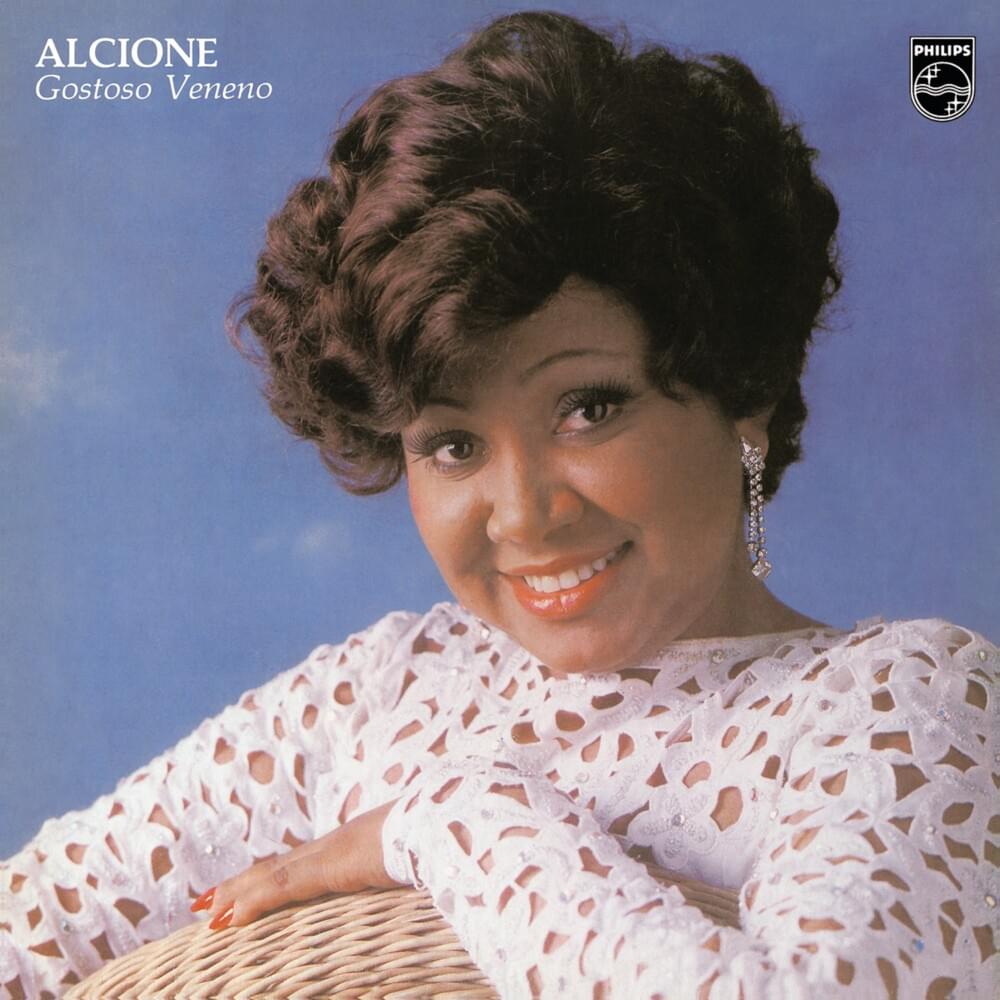
 View Artist