Song Meaning
The lyrics paint a vivid picture of a lively dance gathering, centered around the repeated phrase "Pisa na fulô." This phrase, urging to "step on the flower," seems to be the name of a dance or a song that captivates everyone present. The scene unfolds in Pedreira, on "rua da golada," where the music, played by Zé Caxangá, is exclusively this "pisa na fulô." It’s a communal celebration, full of energy and joy.
The core tension lies in the contrast between the playful, almost innocent directive to "step on the flower" and the plea, "Não maltrate o meu amor" (Don't mistreat my love). This suggests that the dance itself, or perhaps the spirit of the event, is something precious and to be handled with care, even amidst the revelry. The narrator observes a young girl, "doze anos" (twelve years old), enthusiastically joining the dance, her delight echoing the sentiment of the song.
The most striking element is the infectiousness of the "pisa na fulô." It’s not just a song; it becomes the sole focus of the musician and the desire of the partygoers. Even the homeowner, after the dancing, requests the musician to play it again, stating, "Não precisa nem pagar" (You don't even need to pay). This highlights how the music transcends transactional value, becoming a pure expression of communal happiness.
This track resonates because it captures a moment of unadulterated, shared joy. The simple, repetitive structure of "Pisa na fulô" mirrors the hypnotic rhythm of the dance, drawing the listener into the scene. The lyrics evoke a sense of collective effervescence, where a single song can unite a community in a moment of pure, carefree celebration, emphasizing the power of music to create shared emotional experiences.
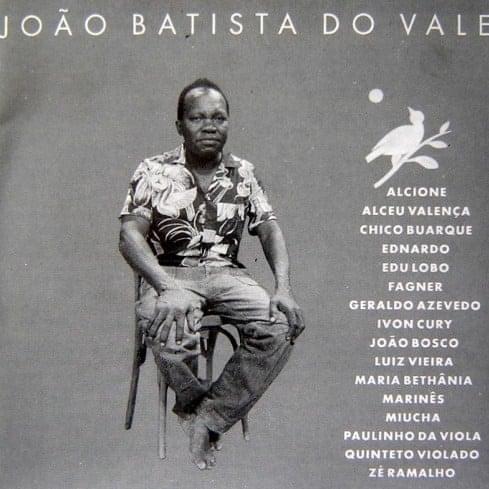
 View Artist