Song Meaning
The lyrics paint a poignant picture of a mother visiting her child, who feels compelled to push her away despite the underlying affection. The narrator states, "Ho ancora molto da fare oggi qui" (I still have a lot to do here today), suggesting a need for independence or a current preoccupation that prevents them from fully engaging with their mother's presence. This creates an immediate tension: the mother has gone to the effort of renting a car to visit, implying a desire for connection, while the narrator expresses a need for her to leave, saying "Adesso vattene via da qui" (Now go away from here).
The central emotional conflict seems to stem from the narrator's perception of love and growth. They tell their mother, "Tutto l'amore che troverò / Voglio prenderlo perché / Più cresci e meno lo vedrai" (All the love I will find / I want to take it because / The more you grow, the less you will see it). This suggests a belief that romantic love or personal fulfillment is something to be actively pursued and perhaps becomes harder to find or recognize with age, a sentiment they feel their mother, by her presence, might impede or not understand. The narrator’s insistence that their mother can always find them later, "Quando vuoi mi troverai" (When you want, you will find me), reinforces this idea of present unavailability.
A striking image is the mother being described as having "due ali in più" (two extra wings) and being called an "angelo" (angel) who doesn't realize it. This elevates the mother figure beyond a typical visitor, framing her as a benevolent, perhaps even divine, presence. Yet, the narrator questions her presence in this world, "Dimmi che ci fai quaggiù" (Tell me what you are doing down here), and contrasts her perceived angelic nature with the earthly setting of "grattacieli e le nuvole" (skyscrapers and clouds). This juxtaposition highlights the narrator's complex feelings – seeing her as an angel, yet needing her to return to her own realm or to let the narrator navigate their own life.
This lyrical exchange is effective because it captures a specific, often unspoken, dynamic between adult children and their parents. The narrator’s desire for independence is expressed through a somewhat harsh dismissal, masked by a promise of future availability. The recurring motif of the falling star, "Quando una stella cadrà / Sei tu che mi chiamerai / Perché lei va da chi / Oh Mama, le dirà sì" (When a star falls / It is you who will call me / Because she goes to whoever / Oh Mama, will say yes to her), implies that even in moments of profound personal change or desire (represented by the falling star), the mother will be the one to initiate contact or offer acceptance, reinforcing the narrator's passive stance in their own emotional life while acknowledging the mother's enduring role.
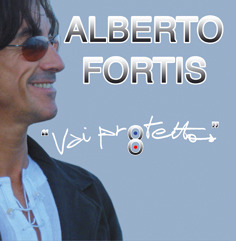
 View Artist