Song Meaning
Alberto Cortez's "Indiecito Dormido" isn't just a lullaby; it's a poignant exploration of vulnerability, cultural heritage, and the bittersweet promise of a journey. The image of the sleeping "indiecito" (little indigenous child) draped in a multicolored poncho immediately evokes a sense of both vibrant tradition and fragmented paths ("cuatro caminos quebrados"). That poncho, woven with history, becomes a protective cloak against a harsh reality, a reality underscored by the "sueño de cobre" (copper dream), hinting at the exploitation and hardships often faced by indigenous communities. The song's meaning resonates with the desire to shield innocence from the world's harshness.
Cortez uses the natural world to amplify this sense of delicate protection. The river sleeps alongside the child, a symbol of nature's empathy and shared slumber. The road passing by the door represents both opportunity and the inevitable departure from the safety of childhood. The repetition of "pasa el camino" emphasizes the relentless march of time and the unavoidable journey into an uncertain future. It's a future tinged with a primal fear, captured in the chilling exclamation "¡Chuy, chuy, qué frío!" (Oh, how cold!).
The lyrics offer a glimpse into the dreams of the child, a world where harsh realities are softened: warm snow, soft pebbles, and comforting stories whispered by the wind. These dreams act as a temporary refuge, a mental space where the child can find solace from the challenges that await. But even within this dreamscape, the underlying theme of displacement and hardship remains. The "pastores y rebaños" (shepherds and flocks) suggest a traditional way of life that may be fading or threatened. Ultimately, "Indiecito Dormido" is a tender, melancholic meditation on the fragility of childhood, the weight of cultural heritage, and the bittersweet passage into adulthood.
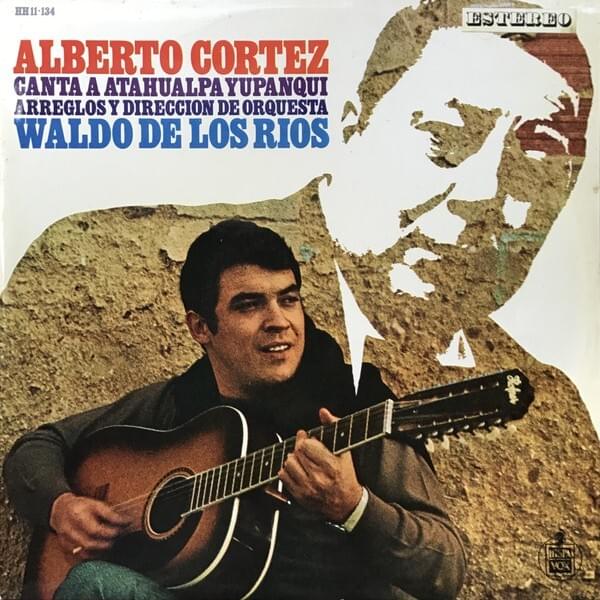
 View Artist