Song Meaning
Albert Hammond Jr.'s "Razors Edge" cuts deep into the underbelly of power, exploitation, and moral bankruptcy. The song meaning isn't explicitly spelled out, but rather sketched with a series of unsettling vignettes. The opening lines, "I've been known to cheat / You've been 17," immediately establishes a climate of questionable ethics and predatory behavior. It's a world where transactions are tainted, innocence is compromised, and escape hatches are desperately sought. The recurring phrase, "money buys you freaks," is not just a cynical observation, but the core thesis: wealth warps human interaction into a grotesque spectacle. It suggests a twisted marketplace where vulnerability is a commodity. The song's genius lies in its ambiguity; it doesn't judge, but rather presents this world with a cold, unflinching eye. The lyrics analysis reveals a bleak landscape of controlled abuse, momentary crimes, and the crushing weight of silence.
The "person that you hired" motif is particularly haunting. This individual seems to embody the cyclical nature of exploitation, moving from victim to participant in the system. The lines "Works with you now by the hour / Years ran down her face / Left to join the race" paint a grim picture of survival in a corrupt environment. There's a sense of lost innocence and the soul-crushing reality of having to compromise one's values just to stay afloat. The repetition of "Don't ask, can't tell" underscores the culture of secrecy and complicity that enables such behavior. It suggests that turning a blind eye is the price of admission to this world, and that speaking out carries dire consequences.
Musically, Hammond Jr. often juxtaposes sunny melodies with dark lyrical themes, and that tension is palpable here. The desire to be "where the river meets the sea" is a longing for a place of purity and peace, a stark contrast to the moral quagmire depicted elsewhere. It's a yearning for redemption, a desire to escape the consequences of actions and choices. The closing lines, "Your violence / Is louder than your words," are a powerful indictment of those who wield power through intimidation and manipulation. It's a reminder that silence can be just as damaging as overt aggression, and that true violence often lies in the unspoken, the unseen, and the unacknowledged.
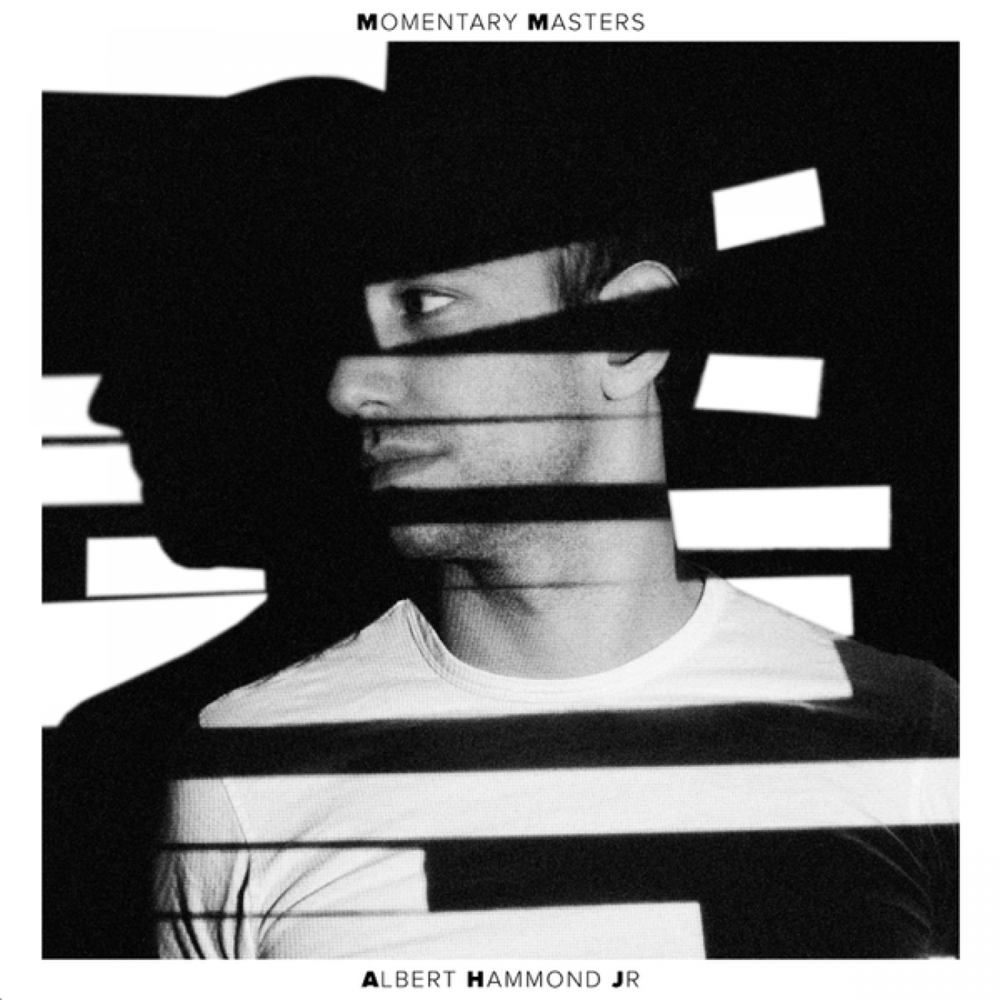
 View Artist