Song Meaning
{"song_id": 12678350, "meaning": "Alana Grace's \"Pretty Ugly\" isn't just another pop song bemoaning the trappings of fame; it's a raw, psychological portrait of the chasm between perceived beauty and internal self-worth. The song's power lies in its stark simplicity, a directness that belies the complex emotions simmering beneath the surface. Grace isn't singing about external pressures alone, but the corrosive effect of those pressures on her own self-perception. The opening lines drip with a performative irony, a desperate question posed by someone suffocating under the weight of expectation: \"Am I the girl who has everything? The one that everybody wants to be?\" The forced smile, worn like \"a sleeve,\" becomes a symbol of the agonizing disconnect between the image she projects and the reality she experiences.
The core of the song meaning revolves around a profound sense of unlovability. The repeated questioning – \"If I'm so beautiful, if I'm so wonderful, why do I feel so horrible inside?\" – underscores the futility of external validation when internal wounds remain unhealed. Grace isn't simply stating she feels bad; she's dissecting the paradox of being adored for superficial qualities while feeling utterly empty inside. This is the crux of the \"pretty ugly\" dichotomy. The desire to \"disappear\" isn't a teenage affectation but a genuine plea for escape from a reality where love feels conditional, contingent on maintaining an impossible facade.
Ultimately, \"Pretty Ugly\" resonates because it taps into a universal anxiety: the fear of being valued for the wrong reasons. Alana Grace uses the lyrics to expose the vulnerability that exists even within idealized beauty. The final, almost desperate repetition of \"I'm pretty, I'm so damn pretty, Ugly\" is not a boast, but a broken mantra. It's a stark acknowledgement of the internal conflict, the realization that external praise cannot fill the void of self-acceptance. The song lingers as a potent reminder that true beauty, true worth, stems not from how we are seen, but from how we see ourselves."}
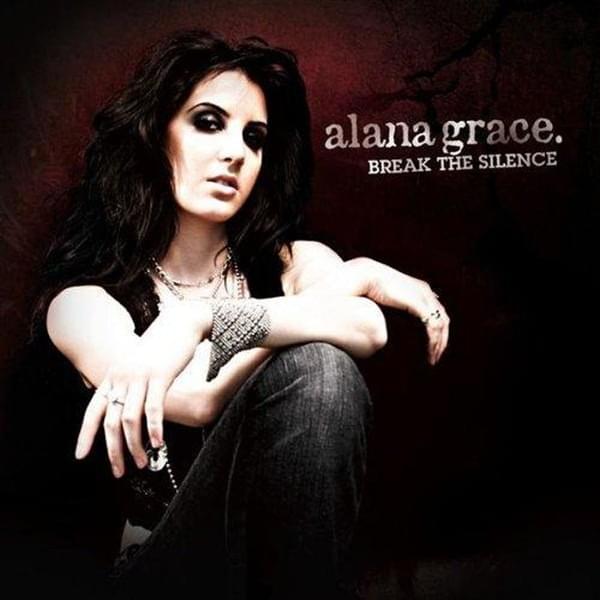
 View Artist