Song Meaning
The lyrics paint a picture of intense longing and idealized anticipation. The narrator repeatedly expresses a desire to meet someone, placing these imagined encounters in evocative, almost mythical settings: outside factory gates, on roads to India, or in a sea of grass. These grand, symbolic locations contrast sharply with the narrator's uncertainty about their own actions upon meeting, suggesting a profound emotional impact, perhaps tears of joy or a moment of stunned silence. The desire is not just for a casual meeting, but for a deep connection, a sharing of past and present selves.
The central tension lies in the gap between the idealized vision of the encounter and the narrator's paralyzing uncertainty. "Vorrei incontrarti ma non so cosa farei" (I would like to meet you but I don't know what I would do) and "Vorrei conoscerti ma non so come chiamarti" (I would like to know you but I don't know what to call you) highlight a fear of the unknown and a potential inability to act when faced with the reality of their desire. This hesitation is amplified by the overwhelming presence of others, as "la gente ti sommerge" (people submerge you), making the desired individual seem distant and hard to reach.
The writing masterfully uses contrast and recurring imagery to build this emotional landscape. The vast, almost epic settings for the desired meeting are juxtaposed with the intimate, quiet space of the narrator's room, filled with silence "per te" (for you) during a rainstorm. The idea of showing "la statua di quello che io sono adesso" (the statue of what I am now) implies a fixed, perhaps unchangeable present self, contrasting with the implied transformation or revelation that meeting this person might bring. The repeated refrain "Vorrei incontrarti" (I would like to meet you) acts as a mantra, emphasizing the persistent, almost obsessive nature of this yearning.
Ultimately, the lyrics resonate because they capture the potent mix of hope and apprehension that often accompanies deep desire. The narrator's elaborate fantasies of meeting are grounded by their honest admission of vulnerability and uncertainty. The final lines, "Canta la tua canzone, cantala per me: / Forse un giorno io canterò per te" (Sing your song, sing it for me: / Maybe one day I will sing for you), offer a glimmer of future possibility, suggesting that the act of witnessing and appreciating the other's essence might eventually lead to the narrator's own expression and fulfillment.
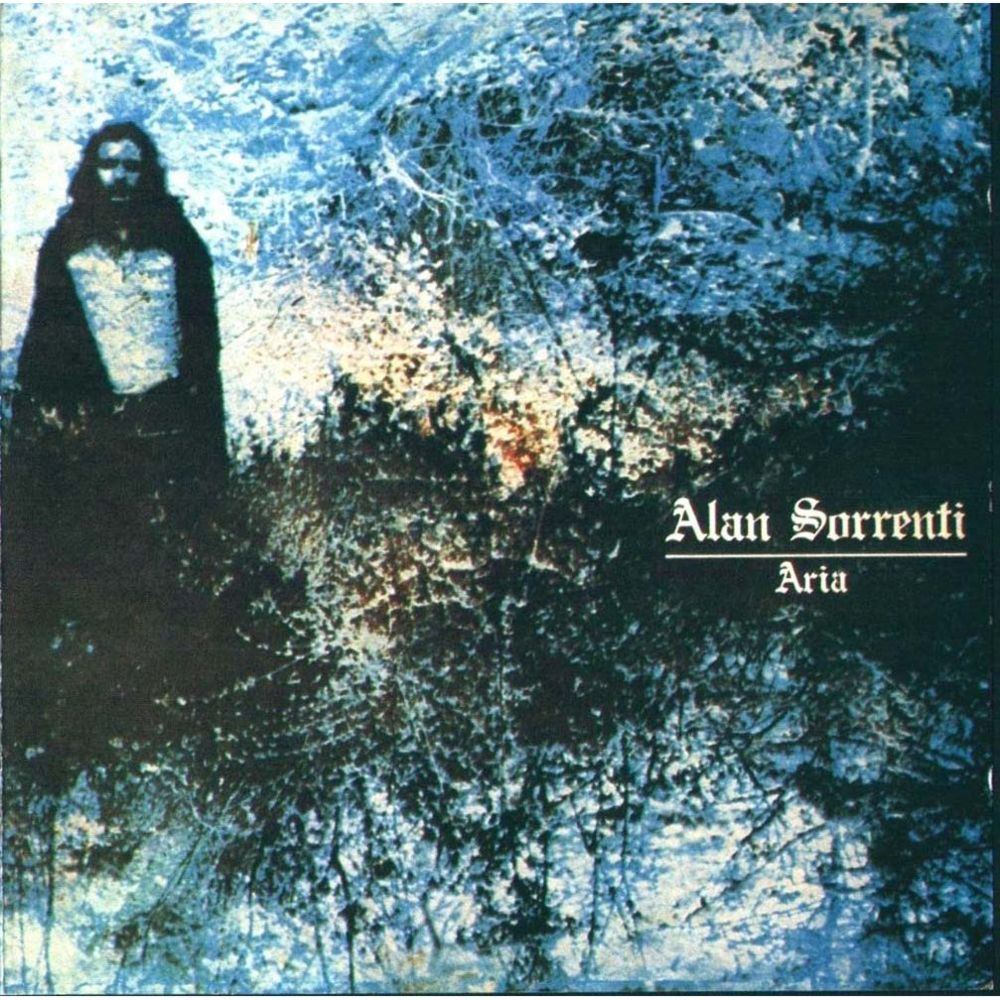
 View Artist