Song Meaning
The lyrics present a stark, almost primal scene, devoid of complex narrative or emotional nuance. The dominant tone is one of raw action and immediate confrontation, underscored by the absence of any lyrical content beyond the instrumental placeholder. This suggests a focus purely on the sonic or the implied narrative, leaving the listener to fill in the blanks of the epic tale.
Without any words, the 'meaning' becomes entirely dependent on the music itself. The instrumental nature of the piece forces an interpretation through melody, rhythm, and instrumentation. Is it triumphant, foreboding, or a chaotic clash? The lack of explicit lyrical guidance pushes the listener to engage with the sound on a visceral level, making the music the sole carrier of the story's emotional weight.
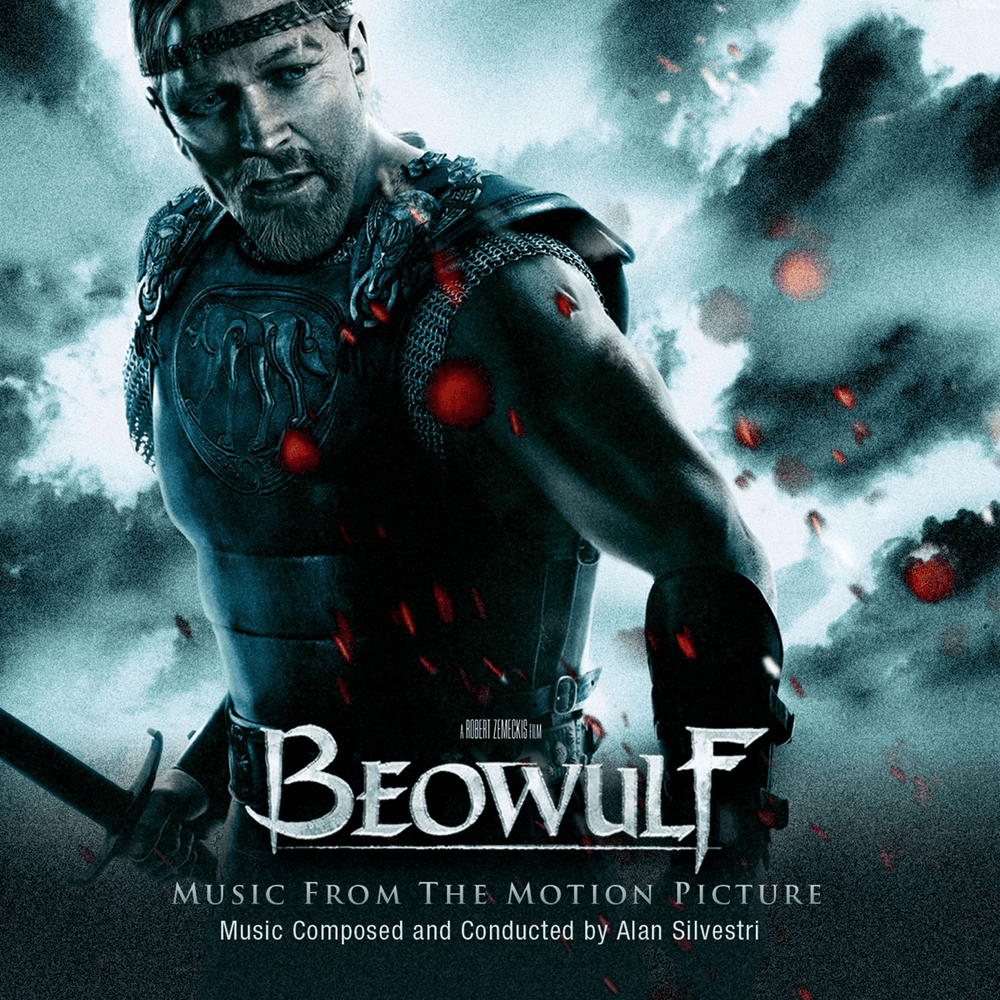
The most striking 'craft' element here is the deliberate omission of lyrics. This isn't a song with a story; it's a sonic landscape intended to evoke the legend of Beowulf. The silence where words would normally be is a powerful choice, forcing the listener to imagine the grunts, the roars, the clash of steel, and the hero's resolve.
This instrumental approach makes the piece effective by demanding active participation. It bypasses traditional storytelling, instead inviting a direct emotional and imaginative response. The listener becomes the bard, weaving the familiar tale of Beowulf's battle onto the sonic canvas provided, making the experience deeply personal and immediate.
 View Artist