Song Meaning
Alan Jackson's "Once You've Had The Best" operates on a bedrock principle of human attachment: the sunk cost fallacy, amplified by eros. It's a study in devotion, framed not as blind naiveté, but as a conscious choice to value history and unparalleled connection above potential future gains. The lyrics aren't coy; they spell out a scenario where the object of affection has demonstrably erred ("I don't care what you've said or done"). Yet, the singer clings to the belief that the depth of their past intimacy outweighs any present transgression. This isn't just about settling; it's about recognizing a peak experience that, once attained, recalibrates all subsequent desires.
The core of the song meaning resides in that titular line: "once you've had the best." It implies a hierarchy of experience, a belief that some relationships transcend mere compatibility and enter the realm of the sublime. Jackson isn't singing about someone who's simply "good enough"; he's singing about someone who has fundamentally altered his understanding of love's potential. The phrase, "You've got more love in your little finger, than all the rest" is a hyperbolic expression, but it underscores the singer's conviction that this person possesses an unmatched capacity for affection, rendering all other options pale in comparison.
Ultimately, “Once You’ve Had The Best” is a testament to the enduring power of profound connection. It acknowledges the imperfections inherent in human relationships but argues that certain bonds are worth fighting for, even in the face of adversity. The song isn't necessarily advocating for staying in a demonstrably harmful situation, but it does present a compelling case for valuing emotional depth and shared history in a world often driven by fleeting gratification. The song meaning emphasizes that sometimes, the 'best' isn't about flawlessness, but about an irreplaceable resonance that defies logical assessment.
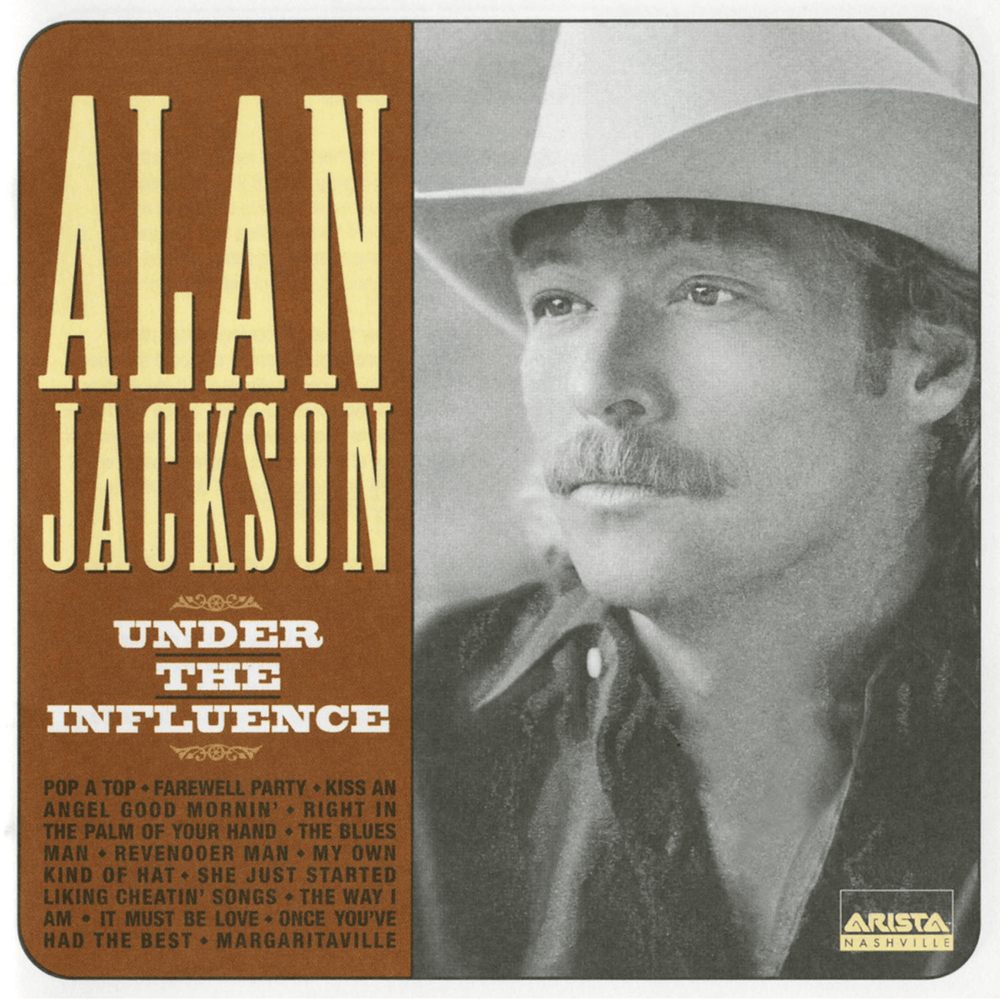
 View Artist