Song Meaning
The lyrics paint a stark contrast between two individuals and their perceived fates, all filtered through a singular, obsessive focus. One narrative begins with a difficult birth, a father's immediate detachment symbolized by a slipping grip, and a life marked by a significant age milestone. The other narrative starts with a seemingly easier birth, but a father's reaction of seeing it as a "punishment from God" leads to the child being "interned" as a boy, also approaching a milestone age. These two lives, though presented separately, are bound by the recurring, almost desperate refrain: "Solo pienso en ti."
The central tension lies in the juxtaposition of these two life paths and the overwhelming, singular thought that connects them. The first individual's life is framed by a fragile beginning and a present of apparent happiness, walking hand-in-hand in a garden, feeling "so happy." Yet, this happiness is immediately undercut by the narrator's constant thought. The second individual's story is one of abandonment and institutionalization, a life seemingly devoid of connection, yet the narrator's focus remains unwavering. The lyrics suggest a profound, perhaps unhealthy, fixation that transcends the details of these lives.
The most striking craft element is the use of contrasting imagery and the persistent, almost hypnotic repetition of "Solo pienso en ti." The image of the first child slipping "like a fish" through the father's fingers is visceral, while the second child's birth is met with a divine punishment complex. Later, the two are seen sitting "separately to eat," a quiet domestic scene that still carries an undercurrent of unease, with "a thousand ants running through their feet" if they look closely. These details create a disquieting atmosphere, where even moments of potential connection or peace are tinged with an external, obsessive gaze.
This lyrical construction is effective because it creates a sense of mystery and emotional weight without explicit explanation. The narrator's singular focus acts as a lens, distorting or highlighting specific moments in these two lives. The contrast between the external presentation of happiness and the internal reality of separation and institutionalization, all viewed through the narrator's unwavering thought, generates a powerful, unsettling emotional resonance. The lyrics invite the listener to question the nature of this obsession and the reality of the scenes described.
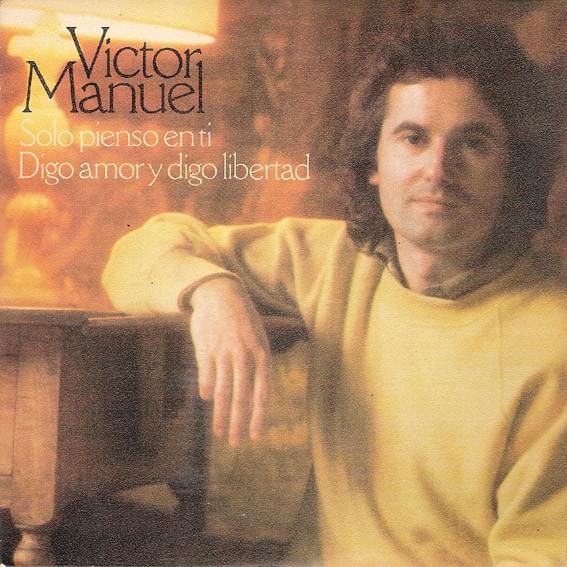
 View Artist