Song Meaning
The lyrics for "Sardine" immediately establish a peculiar, almost bitter comparison: cherished foods like "sardines" and "thon au naturel" are linked to a love that's also "conserved." This preservation, however, brings only frustration, as "tout ce que j'aime, ça m'énerve" because it's sealed "dans du fer blanc." It's a striking image of affection turned stale.
This preserved affection isn't just stagnant; it's actively decaying. The lyrics suggest love "peut se gâter" (can spoil), with the vivid image of "la boîte se gondole" (the can bulges) hinting at internal pressure and inevitable rupture. The speaker describes a profound physical and emotional malaise, feeling "malade sans baiser, sans soupir," unable to sleep, indicating a deep yearning for connection that this "preserved" love cannot fulfill.
The plea to a "Docteur des songes" (Doctor of dreams) is particularly poignant, a desperate call for emotional cleansing: "Lavez-moi le coeur" with a sponge. The pain is visceral, described as something that "me pique, ça me brûle," transforming what once brought comfort into torment. This shift from the general concept of "cet amour" to the deeply personal "photo pâlie" in a "boîte" reveals the specific, faded memory at the heart of the speaker's current unhappiness, making the abstract pain concrete.
The effectiveness of these lyrics lies in their ability to elevate a mundane, even unappetizing, metaphor into a powerful expression of heartbreak and emotional entrapment. The ambiguity of the lost "Quelqu'un, personne" resonates, suggesting a love so faded it's almost forgotten, yet its absence still defines the speaker's life. The sudden, almost jarring request for "du feu, s'il vous plaît?" at the end of the stanza, before the refrain, offers a flicker of human interaction, a small, immediate need amidst overwhelming emotional desolation, hinting at a desire for a spark to break the cycle. The repetition of the opening stanza then reinforces this inescapable, frustrating reality.
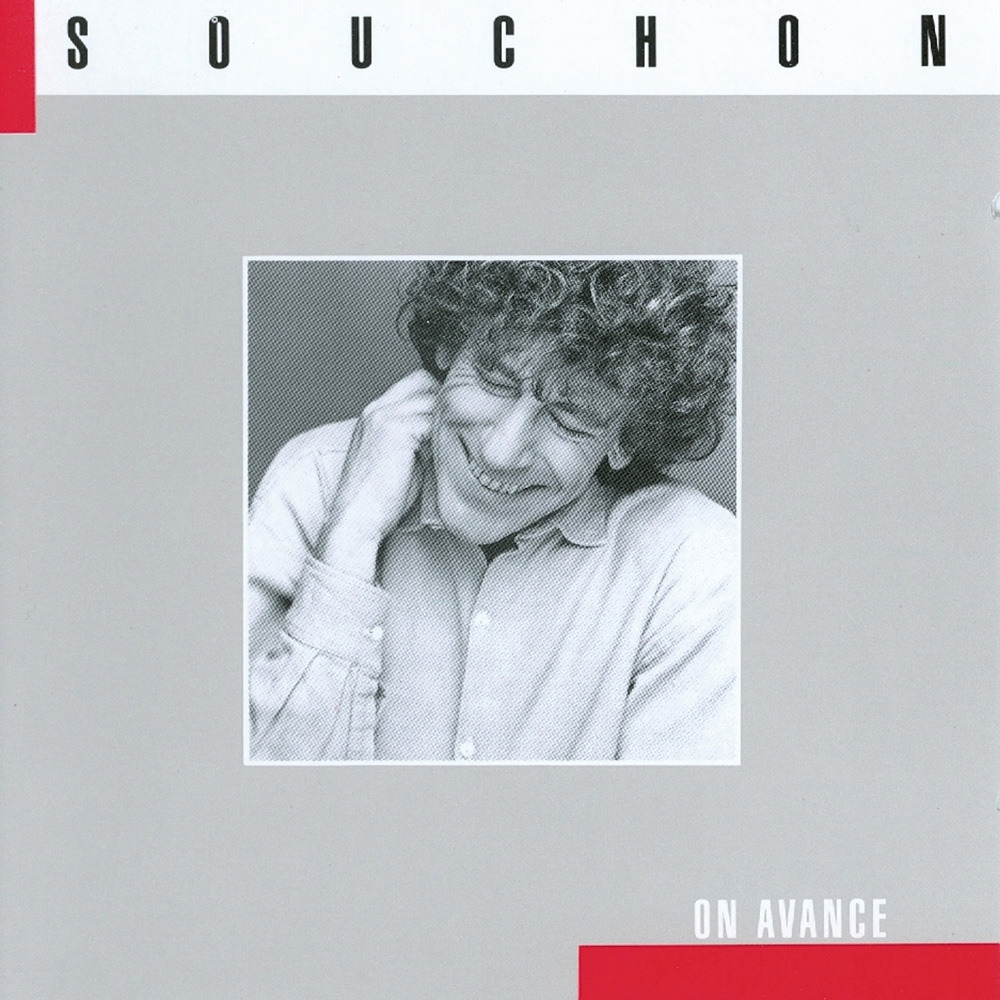
 View Artist