Song Meaning
The lyrics paint a picture of a relationship grappling with the desire for permanence against the backdrop of fleeting moments. The opening lines, with their mention of 'familistère' (a utopian community concept) and life like 'an éclair' (a flash), immediately set up a tension between idealized, lasting connection and rapid, transient experience. The narrator seems to want their 'always clear' days to become 'a small passing affair,' a phrase that suggests a deliberate downplaying or perhaps a resignation to impermanence, immediately countered by a firm 'Non.'
The central conflict emerges in the yearning for a love story that is 'long, long,' 'never-ending.' This desire is juxtaposed with the imagery of 'Normandie, Lusitania,' names evoking grand, perhaps doomed, voyages. The speed of modern life is emphasized with 'at full speed, they leave,' making the caresses feel like they are 'barring' (fleeing) quickly. The narrator explicitly wishes for their love to last 'longer,' contrasting the speed of life with the imagined slowness of 'slow liners,' like those of Cole Porter's era, suggesting a longing for a more deliberate, enduring pace.
The lyrics employ a fascinating blend of the mundane and the grand. Everyday scenes like 'coffee in cups' and watching TV ('devant la lucarne') are punctuated by the evocative 'Normandie, Lusitania.' This pairing creates a sense of epic scope applied to domesticity, or perhaps a feeling that even ordinary life is a grand, potentially perilous voyage. The line about a 'Marlboro cowboy' taking 'my lungs with a lasso' is a striking, almost surreal image of inevitable, perhaps self-destructive, finality, directly linking to the idea of things ending.
Ultimately, the effectiveness of these lyrics lies in their ability to capture a profound, almost desperate, wish for enduring love within a world that feels increasingly fast-paced and ephemeral. The contrast between the desire for 'longer, longer' and the imagery of fleeting moments and grand, possibly tragic, journeys creates a potent emotional resonance. The unexpected turn in the final stanza, where the narrator chillingly admits to killing their lover 'in an excessive way,' then immediately retracts it with the same resigned 'Non' to making their clear days a 'small passing affair,' leaves the listener with a complex, unsettling feeling about the fragility and potential darkness lurking within even the most earnest desires for lasting connection.
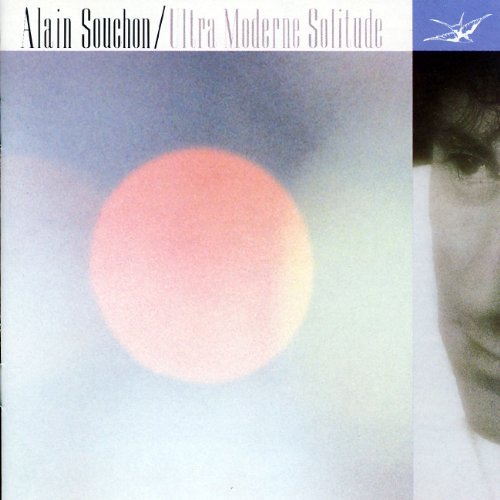
 View Artist