Song Meaning
The lyrics paint a melancholic picture of men who "like the regretters of yesterday," watching the flow of time and loss. They sit by rivers, observing "pieces of wood, old things" drift out to sea, a visual metaphor for fleeting moments and lost opportunities. This passive observation is punctuated by the recurring image of "Ava Gardner's beauty," which seems to imbue their gaze with a profound, almost resigned understanding that "everything goes into the sea."
The central tension lies in this juxtaposition of grand, almost cosmic melancholy with specific, tangible imagery. The narrator expresses affection for these "regretters" who feel that "everything we gain, we lose," and who wish to "change the course of rivers." This desire to reclaim lost time or alter the inevitable flow of existence is directly linked to the idealized, perhaps unattainable, "beauty of Ava Gardner" and a yearning to "find the first things."
The craft here is in the evocative, fragmented imagery and the insistent refrain. We see "crumbling walls of the world," "our beautiful blonde childhoods," and specific cultural touchstones like "Edith, Nylon, the upside-down swimmers." These disparate elements coalesce around the central idea of irreversible change and the wistful contemplation of what has passed, all filtered through the lens of a timeless, almost mythical beauty.
This lyrical construction is effective because it taps into a universal feeling of nostalgia and the quiet ache of impermanence. The specific, almost mundane details – sitting by rivers, old things drifting – ground the grander themes of loss and regret, making the emotional resonance palpable. The recurring mention of Ava Gardner's beauty acts as an anchor, a fixed point of idealized past perfection against which the present flow of loss is measured.
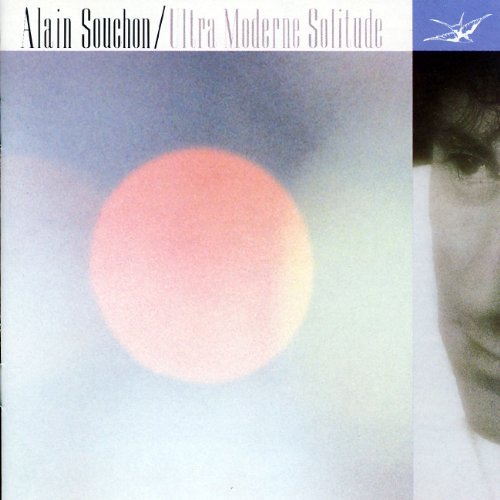
 View Artist