Song Meaning
Alain Johannes' "Hum" operates on a frequency beyond the readily apparent, a subtle vibration resonating with acceptance and quiet strength. The track isn't a shout; it's the sonic equivalent of finding solace in the dappled sunlight of a hidden grove. The opening verse, with its image of a letter on its way, suggests anticipation, a message of change or perhaps acceptance of fate. He's not fighting the current; he's lying in the grass, letting it caress him, an act of surrender to the moment's sensations. The "light trickling" hints at illumination, a gradual understanding dawning. This initial sense of peace becomes more poignant when considering the potential turmoil hinted at in the second verse. It's a grounding before the storm. The "Hum" song meaning seems rooted in finding equilibrium amidst chaos.
The core of "Hum" lies, unsurprisingly, within its chorus. The repeated phrase "a hum eternal" isn't just sonic texture; it's the suggestion of an underlying constant, a vibration that persists even when everything else is in flux. The directions "over here" and "under there" imply this hum is both present and foundational, a constant companion in both conscious awareness and the subconscious depths. This eternal hum offers a counterpoint to the potential manipulation described in the second verse where 'they will turn it inside out.' Johannes acknowledges external pressures, the potential for things to be twisted and distorted. Yet, even in the face of this, there's a quiet resilience, a belief in an "invisibly saving hand" that will guide him through a "slipping land".
Ultimately, Alain Johannes' "Hum" lyrics are about finding and holding onto an inner equilibrium. It's a song about recognizing the enduring power of a personal truth—the "hum eternal"—as a refuge from external forces that seek to disrupt and destabilize. The return to the image of the incoming letter in the outro suggests a cyclical nature to this process: anticipation, grounding, confrontation, and then back to anticipation again. Johannes isn't offering a triumphant battle cry, but rather a quiet affirmation of survival, a recognition that even in the midst of turmoil, there's an underlying harmony to be found if one listens closely enough.
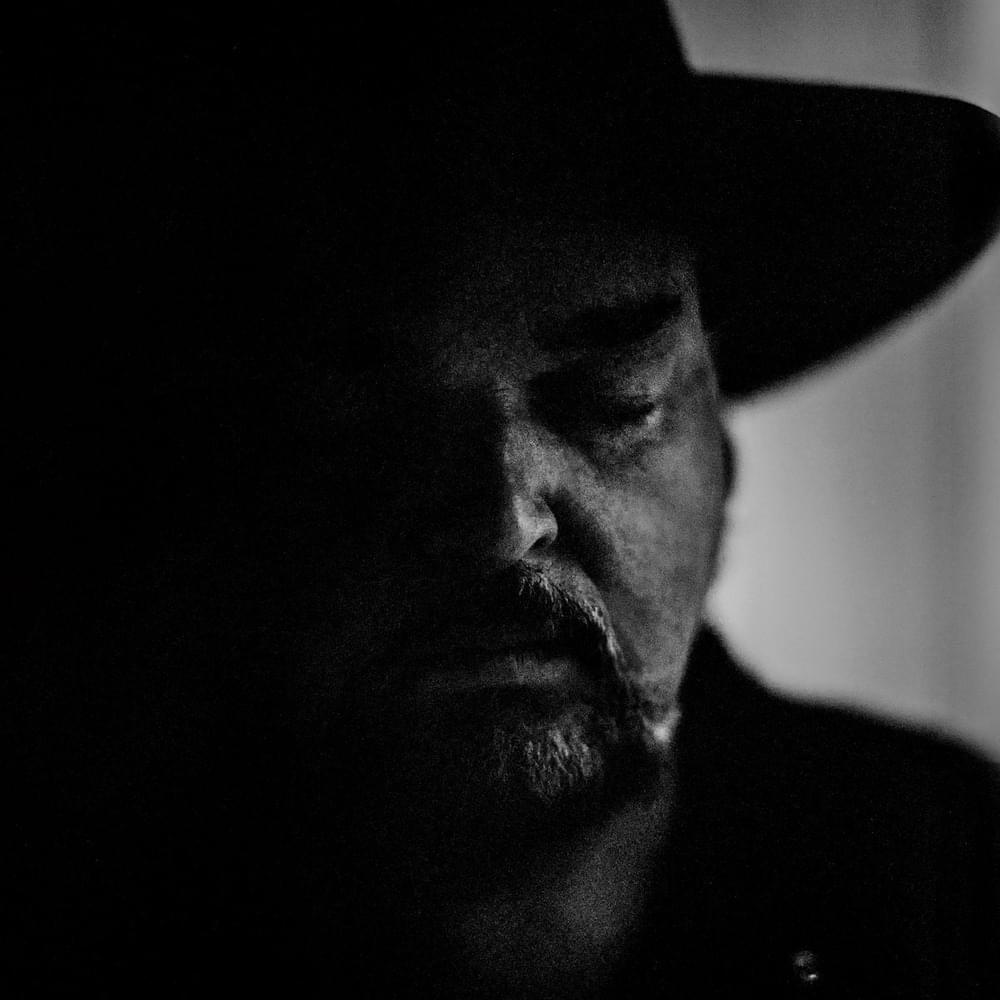
 View Artist