Song Meaning
The lyrics paint a picture of desperation and societal fragmentation, opening with a stark image of someone with nothing left to smoke, resorting to petty theft and succumbing to tears. This initial scene of personal collapse quickly broadens to encompass a disturbing, almost surreal, call for division and harsh treatment: "Séparer les blancs des jaunes / Fouetter généreusement." The narrator seems to acknowledge a pervasive sense of vulnerability, warning that "On n'est jamais à l'abri / D'une piqûre de meringue," a phrase that hints at unexpected betrayals or unpleasant shocks.
The song then shifts to a more abstract, almost allegorical, depiction of precarious existence. It juxtaposes seemingly disparate elements like "Gay luron et guet-apens" (a happy-go-lucky person and an ambush) on the same precarious vessel, suggesting that even innocence and danger share the same fate. The mention of struggling "à Barbès" and a litany of Parisian metro stations ("D'enfer, étoile, nation") grounds the feeling of urban hardship and existential questioning, culminating in a defiant, almost passive-aggressive gesture: "Je tends l'autre fesse."
A striking, recurring motif is the juxtaposition of exotic and mundane locations with a sense of universal anonymity: "Nuit d'Amazonie / Via Cabourg, Bangkok / Tous les hommes sont gris." This creates a disorienting effect, suggesting that no matter the setting, humanity is reduced to a uniform, perhaps colorless, state. The repeated question, "Arôme d'Arabica ?" followed by the intrusive action, "Partout tu fais des trous partout," seems to question the very essence or flavor of existence, implying a widespread disruption or violation. The central, repeated refrain, "Tu touches pas à mon pote," acts as a raw, protective plea against this encroaching chaos and violation.
The latter verses introduce a sense of pursuit and betrayal, asking "Qu'est-ce qui fais courir David / Comment veux-tu qu'on l'attrape?" and referencing someone who "a vendu la mèche." This suggests a narrative of being hunted or having secrets exposed, with a cynical nod to authority figures or those in power ("À votre bunker messieurs dames / Salut les Kopecks"). The overall effect is a fragmented, anxious portrayal of individuals navigating a world where trust is scarce, societal divisions are stark, and personal boundaries are constantly under threat, making the simple demand to protect one's friend a desperate anchor.
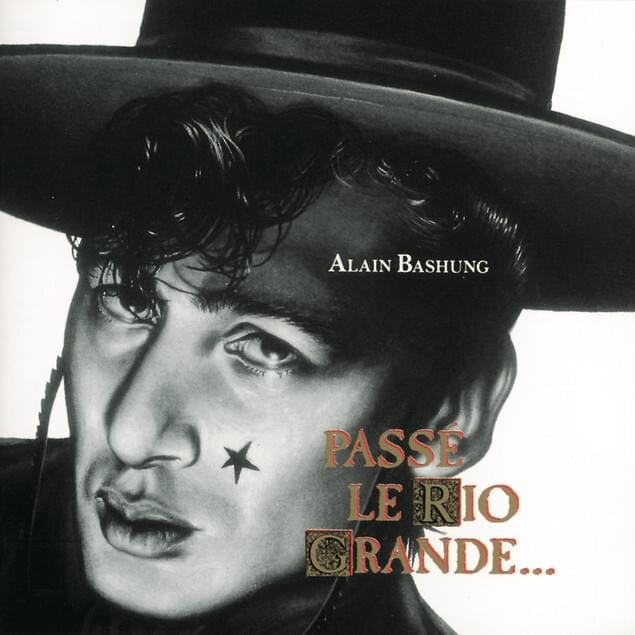
 View Artist