Song Meaning
The narrator’s world is seemingly falling apart, but he’s adopting a defiant, almost detached calm. He’s been warned by his parents about a girl, told she’s “ain’t no good for you,” yet his response is a repeated, almost mantra-like, “That’s all right.” This isn't resignation; it feels more like a shield against the storm, a way to maintain control when everything else is slipping.
The core tension lies between the parental advice and the narrator’s unwavering, perhaps foolish, devotion. His parents’ words are direct and cautionary, painting a clear picture of impending trouble. Yet, the narrator’s internal response, amplified by the song's insistent refrain, suggests a willful blindness or a deep-seated commitment that overrides rational judgment. The repetition of “That’s all right” becomes a sonic manifestation of this internal conflict, a stubborn refusal to acknowledge the danger.
The most striking aspect is the juxtaposition of the dire warnings with the casual, almost dismissive refrain. The lyrics paint a picture of a young man on the brink of leaving town, possibly because of this very situation, yet he insists everything is fine. This creates a powerful irony: the situation demands concern, perhaps even panic, but the narrator offers only a placid, “anyway you do.” It’s a performance of composure that feels increasingly fragile with each repetition.
This disconnect is what makes the song hit so hard. It captures that specific, often youthful, impulse to believe things will work out despite all evidence to the contrary.
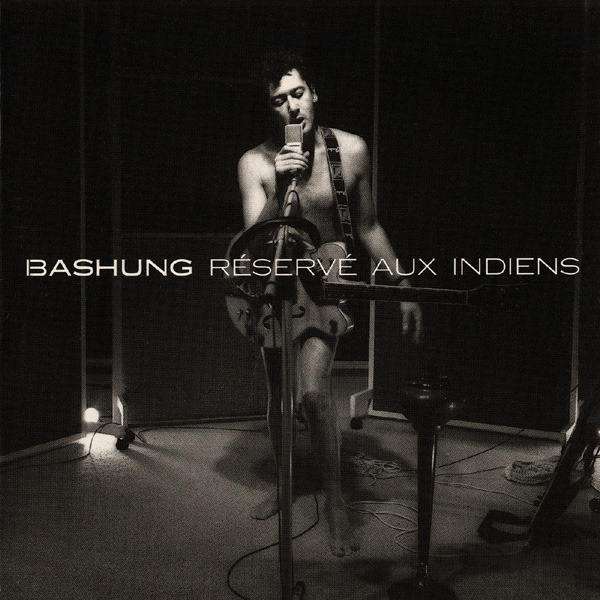
 View Artist