Song Meaning
The lyrics paint a stark picture of a narrator poised for action, observing the world from a confined vantage point, the "meurtrière" (murder hole or loophole). This isn't passive waiting; it's an active, almost predatory, surveillance of potential threats and desires – "l'ennemi," "l'amant," "l'infidèle," "l'indécis." The repetition of "Guette" (watch/lie in wait) underscores a sense of constant vigilance, a readiness to strike or engage.
The central tension lies in the narrator's refusal to wait for external validation or the passage of time. Phrases like "Je n'attendrai pas l'automne" and "Je n'attendrai pas que s'abaisse le pont-levis" reveal an impatience, a desire to seize control rather than be subjected to fate or the actions of others. This proactive stance is further emphasized by the declaration "J'y suis" (I am there), indicating an immediate presence and commitment to whatever lies beyond the observation point.
The most striking craft element is the narrator's self-description as "la ficelle qui se tend" (the string that tightens), a potent metaphor for building tension and impending action. This is juxtaposed with the duality of "Je suis le miel / Je suis le fiel" (I am the honey / I am the gall), showcasing a complex, perhaps volatile, nature. The stark contrast between "pas cruel / Juste violent" (not cruel / Just violent) suggests a calculated, purposeful force rather than random malice.
This lyrical construction is effective because it creates a palpable sense of anticipation and a complex character. The narrator is not simply waiting; they are actively observing, defining themselves through their readiness to act and their inherent duality. The imagery of the "meurtrière" and the tightening "ficelle" grounds the emotional intensity in concrete, evocative visuals, making the narrator's resolve feel both immediate and inevitable.
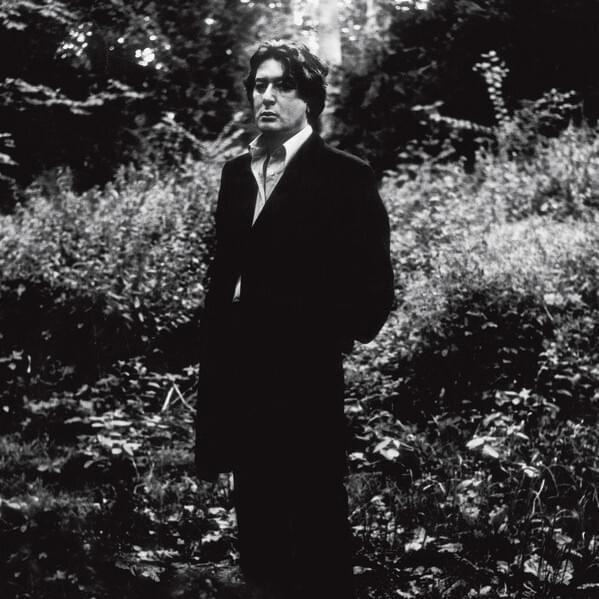
 View Artist