Song Meaning
The lyrics paint a picture of someone leaving a place of solitude, a "terrier" or den, to join a larger, perhaps overwhelming, collective experience. The opening lines, "Dehors le lièvre court la hase / Dehors tout le monde dehors," establish a sense of external activity and a call to participate. This initial impulse to leave the safety of the personal space is driven by a desire to connect, to "se mêler" (mingle) with others, even at the risk of discomfort or losing individuality.
The central tension arises from the contrast between the desire for connection and the potential for suffocation or exposure. The narrator embraces the idea of being "à l'étroit" (cramped) and needing to "se serrer" (huddle together), comparing it to a "forêt vierge" (virgin forest) with "lianes infinies" (infinite vines). This imagery suggests a wild, untamed, and potentially entangling form of togetherness. Simultaneously, the external world is described as being "à l'orage" (in the storm) and carrying a "peur de l'eau qui dort" (fear of stagnant water), hinting at both danger and stagnation outside the den.
The most striking craft element is the recurring, almost mantra-like repetition of "Faudra se serrer / Faudra se mêler / Nos lianes infinies." This phrase builds a sense of inevitability and shared fate, emphasizing the need to merge and intertwine. The shift to "Effet de serre / Ma vie sous verre / S'avère ébréchée" introduces a new layer of vulnerability, suggesting that this forced proximity and external exposure have damaged the narrator's personal life, making it fragile and exposed, like a specimen under glass that has become chipped.
These lyrics resonate because they capture the complex push-and-pull of social engagement. The writing effectively uses natural imagery – the burrow, the forest, the fishing – to explore the internal conflict of wanting to be part of something larger while fearing the loss of self and the potential damage that exposure can bring. The final lines, "Ma vie sous verre / S'avère ébréchée," leave the listener with a poignant sense of fragility, a direct consequence of the narrator's decision to venture out and "se serrer."
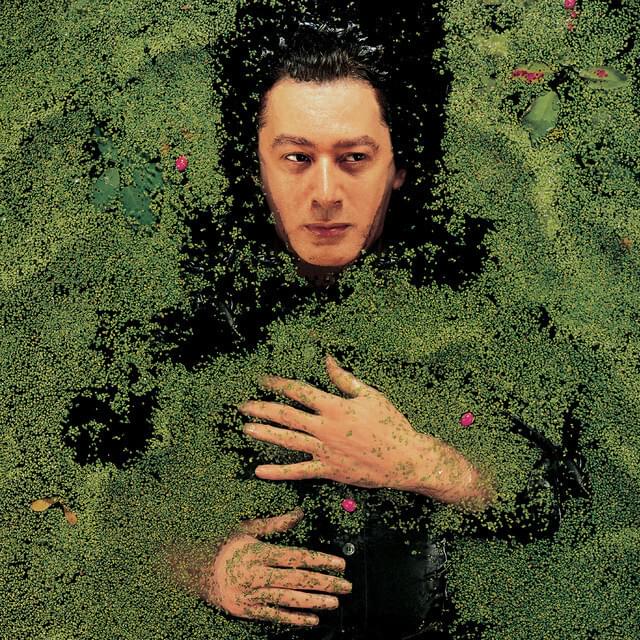
 View Artist