Song Meaning
The lyrics paint a vivid picture of a week-long emotional slump, a persistent state of feeling 'blue' and unable to 'make it through' until Friday. Each day carries a specific weight of dread or escapism, from wasting Wednesdays to simply not being able to 'face' Thursday. This cyclical misery is abruptly shattered by the arrival of Saturday night, where the presence of a specific 'girl' under the 'mirror ball light' provides an immediate, exhilarating 'rush.'
The central tension lies in the stark contrast between the narrator's pervasive weekday desolation and the intense, almost miraculous relief found in this specific connection. The lyrics suggest a deep-seated unhappiness that colors the entire year, not just the start of the week. Seasonal descriptors like 'seasonally disaffected' and being 'frozen to the bone' in December amplify this feeling of prolonged emotional winter, making the 'ice broke up and splintered' feel like a profound personal thaw.
The most striking craft element is the deliberate mapping of emotional states onto the days of the week and the months of the year. This structure transforms a personal feeling into a tangible, almost calendar-like experience of dread. The repetition of "I got a rush again" in the chorus acts as an anchor, a powerful affirmation of this singular antidote to the narrator's otherwise bleak existence. The imagery of the 'mirror ball light' adds a touch of celebratory, almost disco-era escapism to this moment of profound personal breakthrough.
This writing is effective because it grounds an abstract feeling of deep-seated melancholy in concrete, relatable experiences of the mundane week and the turning year. The specificity of the daily struggles, from Tuesday's inability to 'make it through' to August's wedding feast where the narrator felt 'unwelcome,' makes the eventual 'rush' feel earned and deeply significant. It's the precise depiction of the low points that makes the high points, particularly the one found 'with you,' resonate so powerfully.
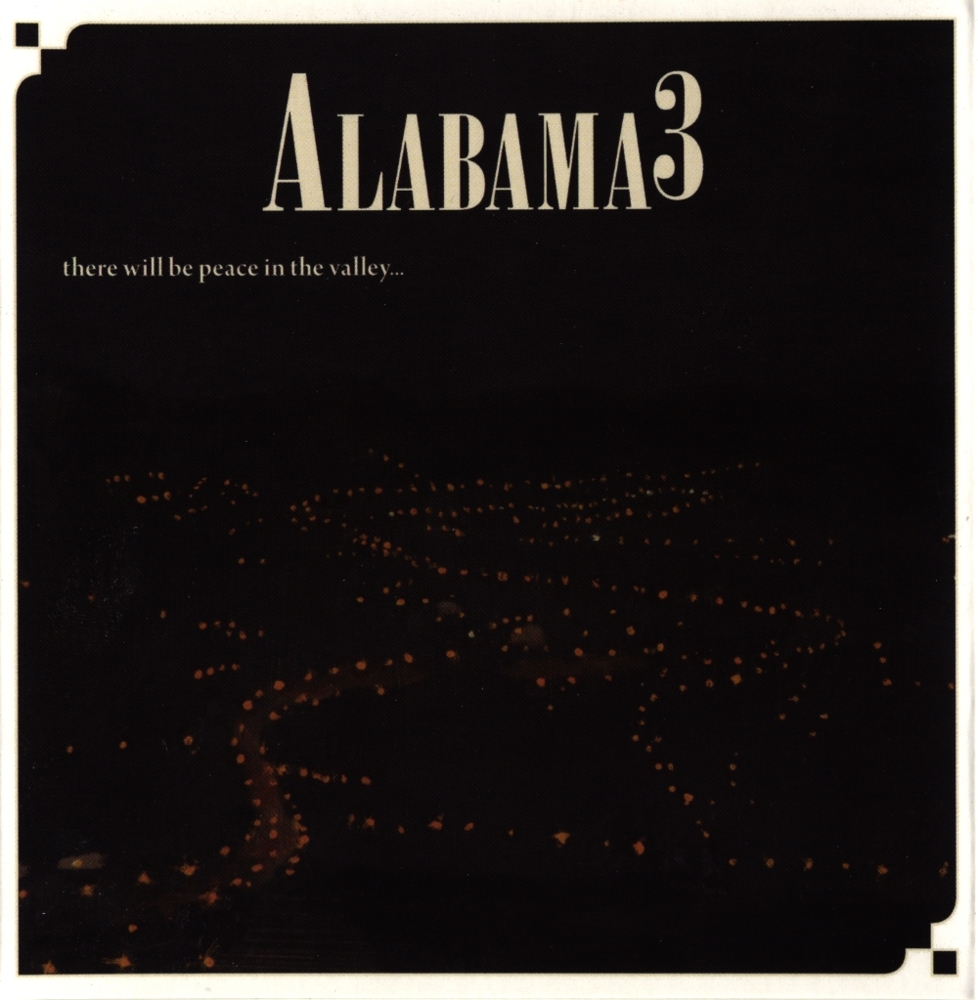
 View Artist