Song Meaning
The narrator opens with a striking image of their father, comparing his presence to a guiding lighthouse whose light shines directly on them. This sets a tone of deep admiration and perhaps dependence. The repeated phrase "lighthouse on the sea" emphasizes this constant, unwavering influence. It’s a powerful, almost sacred, paternal connection being established right from the start.
However, the lyrics quickly pivot to a different kind of relationship, one fraught with frustration and a sense of being wronged. The narrator addresses a lover, warning that their refusal to come will be met with a cold indifference, as "hot springs water sure won't help you none." This contrast between the secure paternal love and the volatile romantic entanglement creates a central tension, highlighting a yearning for stability that the romantic pursuit fails to provide.
The narrator’s declaration, "I love my daddy better than I love myself," is a profound statement of devotion, but it’s immediately followed by possessiveness: "And I don't want him to love nobody else." This intense, almost obsessive, familial love seems to inform their approach to romance, perhaps setting an impossibly high bar or creating a possessive dynamic. The subsequent verse, "I'm going back to Texas and I'm going to stay," signals a retreat, a desire to escape the pain caused by romantic partners who "treat me this-a way."
The unexpected turn in Verse 5, "'Cause I had him all night and I got him all day today," introduces a confusing element. Is this about the father or the lover? Given the context of romantic woes, it likely refers to a lover, but the possessive intensity echoes the earlier sentiment about the father. The arrival of the "Blues" in the final verse, described as stopping "right in my door," personifies deep sorrow that has become an inescapable presence, leaving the narrator with an unprecedented feeling of despair.
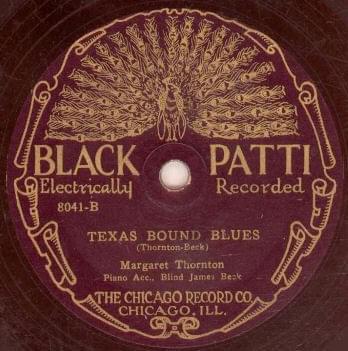
 View Artist