Song Meaning
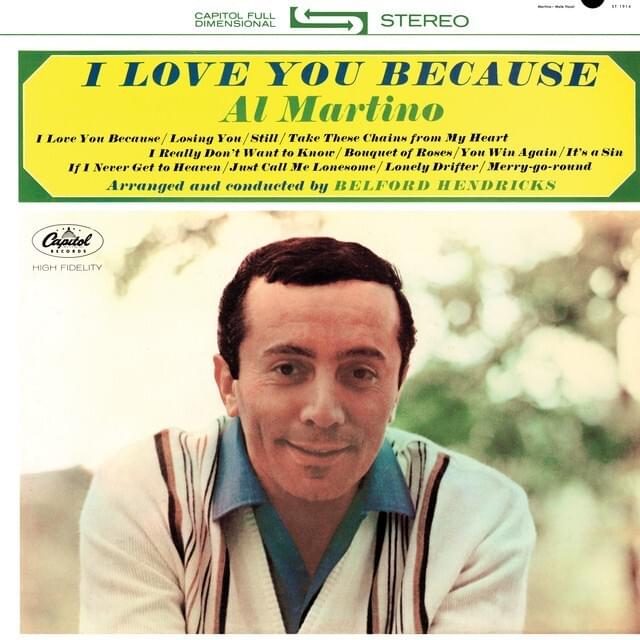
Al Martino’s rendition of "You Win Again" isn't just a lament; it's a masterclass in romantic self-immolation. The track drips with a weary resignation, a kind of fatalistic acceptance of repeated heartbreak. The opening lines immediately establish the public humiliation – "The news is out / All over town" – painting a picture of a man whose personal pain is now fodder for local gossip. But instead of righteous anger or a clean break, there's only the defeated admission: "You win again." This isn’t a one-time loss; it’s a pattern, a recurring tragedy. The song meaning becomes clear: love as a battlefield where the narrator is destined to be outmaneuvered.
The lyrics pivot to the internal struggle, the narrator acknowledging his own complicity in the cycle of pain. "This heart of mine / Could never see / What everybody knew but me." There's a raw honesty here, a recognition that his own naiveté and blind trust have paved the way for his repeated heartbreak. The line "Just trusting you / Was my great sin" is particularly brutal, transforming a virtue into a fatal flaw. It's a stark portrayal of how love can warp our perceptions, making us blind to the obvious red flags. The song subtly suggests a co-dependent dynamic where the narrator derives some twisted validation from being the victim.
But the most chilling aspect of “You Win Again” lies in its empathy for future victims. "I'm sorry for your victim now / 'Cause soon his head, like mine, will bow." This isn't just about personal suffering; it's an awareness of the domino effect of the woman's behavior. The narrator foresees the same heartbreak being inflicted on others, creating a sense of shared misery and a bleak commentary on the destructive power of manipulative relationships. The closing lines, "You have no heart / You have no shame / You take true love and give the blame / I guess that I should not complain / I love you still / You win again," encapsulate the twisted logic of the situation. Despite the pain, the blame, and the lack of reciprocation, the narrator's love persists, ensuring the cycle continues. In essence, "You Win Again" is a study in emotional masochism, a portrait of a love so deeply ingrained that it transcends reason and self-preservation.
 View Artist