Song Meaning
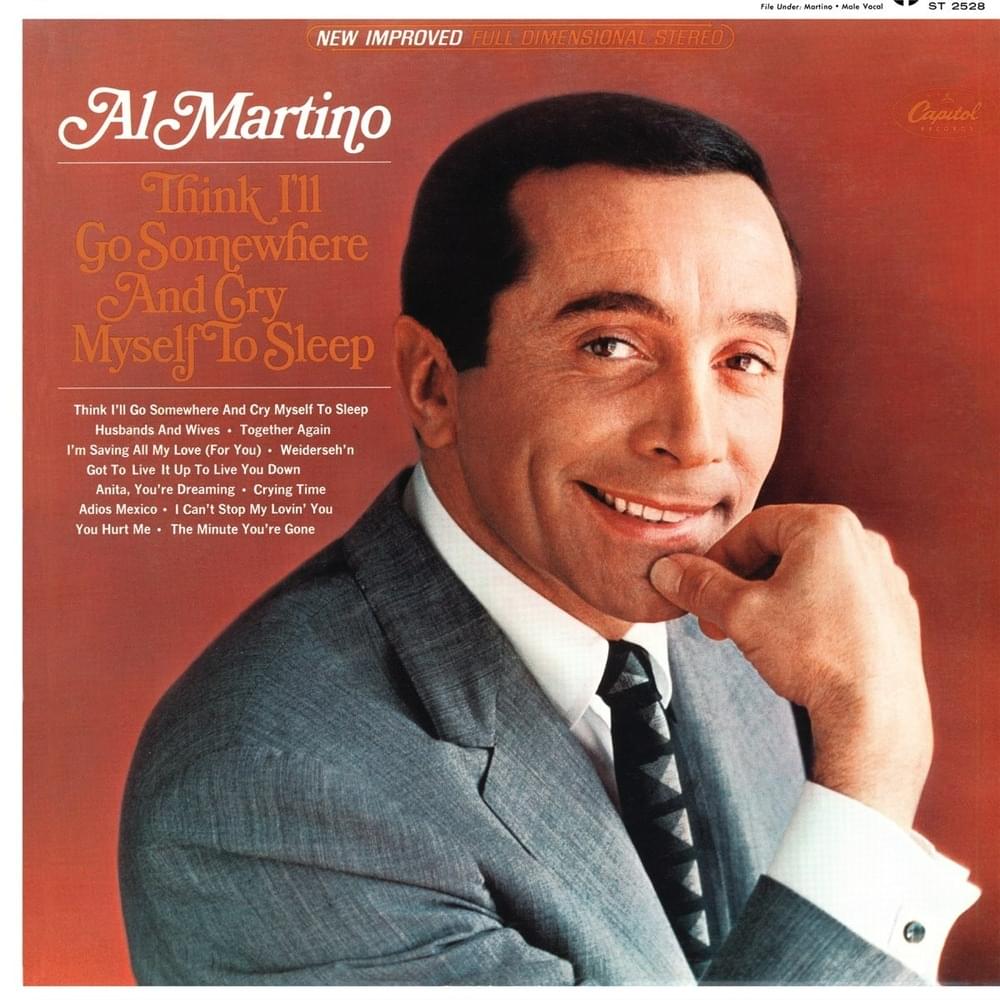
{"song_id": 12646602, "meaning": "Al Martino's \"You Hurt Me\" isn't a primal scream of betrayal, but a study in the quiet agony of acceptance. It's a portrait of someone caught in a cyclical dance of pain and devotion, a relationship where hurt is not a deal-breaker, but an unfortunate side effect of love itself. The repeated line, \"You hurt me, but what good did it do?\" isn't rhetorical; it's a genuine question, a resigned shrug in the face of emotional reality. The singer acknowledges the pain, yet immediately dismisses its power to sever the bond. This isn't about seeking retribution or even understanding; it's about a stubborn, almost defiant commitment to love despite its inherent flaws. This creates a compelling, if unsettling, emotional landscape. The song meaning resides in the space between pain and unwavering affection. It suggests a personality that equates love with a certain amount of suffering, perhaps even finding a warped sense of validation in the pain itself.
The brilliance of \"You Hurt Me\" lies in its simplicity. Martino avoids histrionics, opting instead for a tone of weary resignation. The confession \"I'm not bitter, I'm just sad\" is devastating in its understatement. Bitterness implies anger and a desire for revenge; sadness suggests a deeper, more profound acceptance of the situation. It's the lament of someone who has come to terms with the imperfections of love, recognizing that even the most cherished relationships can inflict wounds. The recurring phrase \"turn the other cheek\" is not necessarily a religious act of forgiveness, but a coping mechanism, a way to navigate a relationship where pain is a constant companion. The repetition underscores the cyclical nature of the hurt, implying that this is not an isolated incident, but a recurring pattern.
Ultimately, Al Martino’s \"You Hurt Me\" explores the complex psychology of attachment. The singer's inability to \"turn to someone new\" speaks to a deep-seated fear of abandonment or a belief that this flawed love is better than no love at all. The repeated assertion, \"I believe someday our love will be, and then, you won't hurt me,\" is either an act of unwavering optimism or a form of self-deception, a necessary illusion to justify staying in a painful situation. Whether it's delusional hope or genuine faith, it underscores the song's central theme: the irrational, often self-destructive power of love to transcend pain and disappointment. It's a song for anyone who has ever loved someone who wasn't good for them, and found themselves unable to walk away."
}
 View Artist