Song Meaning
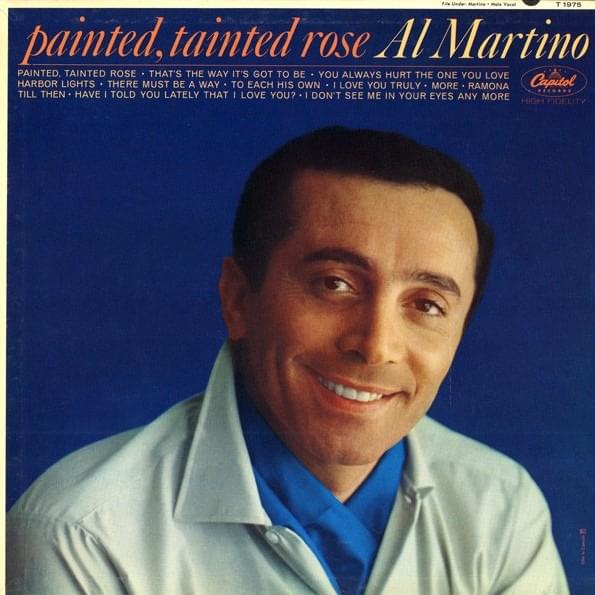
Al Martino's rendition of "You Always Hurt the One You Love" is a masterclass in paradoxical romanticism, a confession wrapped in a plea for understanding. The song's core isn't just about the act of hurting, but the agonizing awareness of *who* we hurt: the very person we cherish. It's a brutal acknowledgment of the human tendency to inflict pain on those closest to us, almost as if proximity breeds a strange, twisted entitlement to cause harm. The lyrics paint a picture of unintentional cruelty, driven not by malice, but perhaps by insecurity, fear, or the subconscious testing of love's boundaries. The crushed rose and broken heart are not symbols of deliberate destruction, but collateral damage in the messy, imperfect landscape of intimacy.
The song's power lies in its stark honesty. It doesn't offer excuses or justifications, but simply lays bare the uncomfortable truth that love and pain are often intertwined. The "hasty word you can't recall" speaks volumes about the impulsive nature of conflict within relationships. It suggests that these hurts aren't planned or premeditated, but rather eruptions of unfiltered emotion that leave lasting scars. There's a deep sense of regret woven into the lyrics, a recognition that the speaker is trapped in a cycle of hurting the one they love, despite themselves. This creates a sense of vulnerability and self-awareness that draws the listener in, fostering empathy for both the speaker and the recipient of their actions.
Ultimately, "You Always Hurt the One You Love" suggests a complex and somewhat fatalistic view of relationships. The final line, "If I broke your heart last night, it's because I love you most of all," is both a confession and a defense. It hints at a disturbing equation where love is equated with the capacity to wound. This isn't necessarily an endorsement of toxic behavior, but rather an observation of a deeply flawed human tendency. The song meaning resides in the uncomfortable space between love and pain, forcing us to confront the darker aspects of our own relationships and the ways in which we inadvertently wound the ones we hold dearest. It's a timeless reflection on the messy, often contradictory nature of the human heart.
 View Artist