Song Meaning
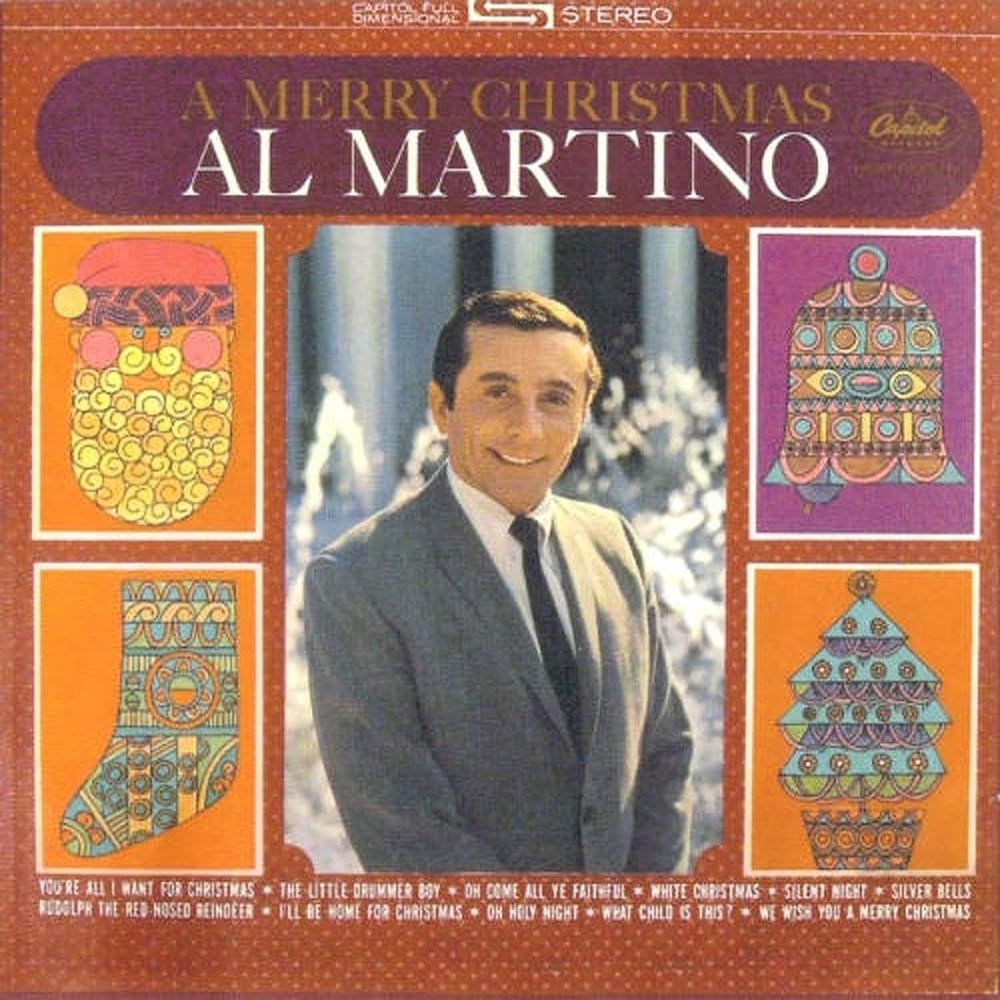
Al Martino's rendition of "Rudolph, The Red-Nosed Reindeer" isn't just a saccharine Christmas carol; it's a deceptively simple parable of social exclusion and eventual triumph. The song’s core resonates because it taps into the universal childhood fear of being ostracized for being different. Rudolph's luminous nose, initially a source of ridicule, becomes his saving grace, a plot point that flips the script on conventional notions of normalcy. The opening verses paint a stark picture of bullying: Rudolph, the outlier with his conspicuous difference, is cruelly excluded from the reindeer games. Martino's warm vocal delivery, however, subtly underscores the pain of this rejection, making Rudolph's isolation palpable. It’s a sentiment all too familiar, mirroring the experience of anyone who's ever felt like an outsider.
The genius of "Rudolph" lies in its economic storytelling. The narrative swiftly moves from alienation to acceptance, driven by an external catalyst: Santa's pragmatic need for a beacon in the fog. This twist highlights a complex truth – acceptance isn't always unconditional. Sometimes, it requires a demonstration of utility, a way for one's unique qualities to serve a purpose valued by the mainstream. Santa's line, "Rudolph with your nose so bright, Won't you guide my sleigh tonight?" isn't just a request; it's an acknowledgment of Rudolph's hitherto unappreciated value.
The final verse, where the reindeer shower Rudolph with adulation, is both heartwarming and subtly unsettling. The sudden shift from mockery to reverence underscores the fickle nature of social acceptance. It’s a reminder that validation, especially when contingent on external factors, can be fleeting. The song doesn’t delve into whether the reindeer genuinely changed their views or simply recognized Rudolph's newfound status. Ultimately, "Rudolph, The Red-Nosed Reindeer" is a bittersweet anthem of embracing difference, while also offering a sobering commentary on the conditional nature of belonging.
 View Artist