Song Meaning
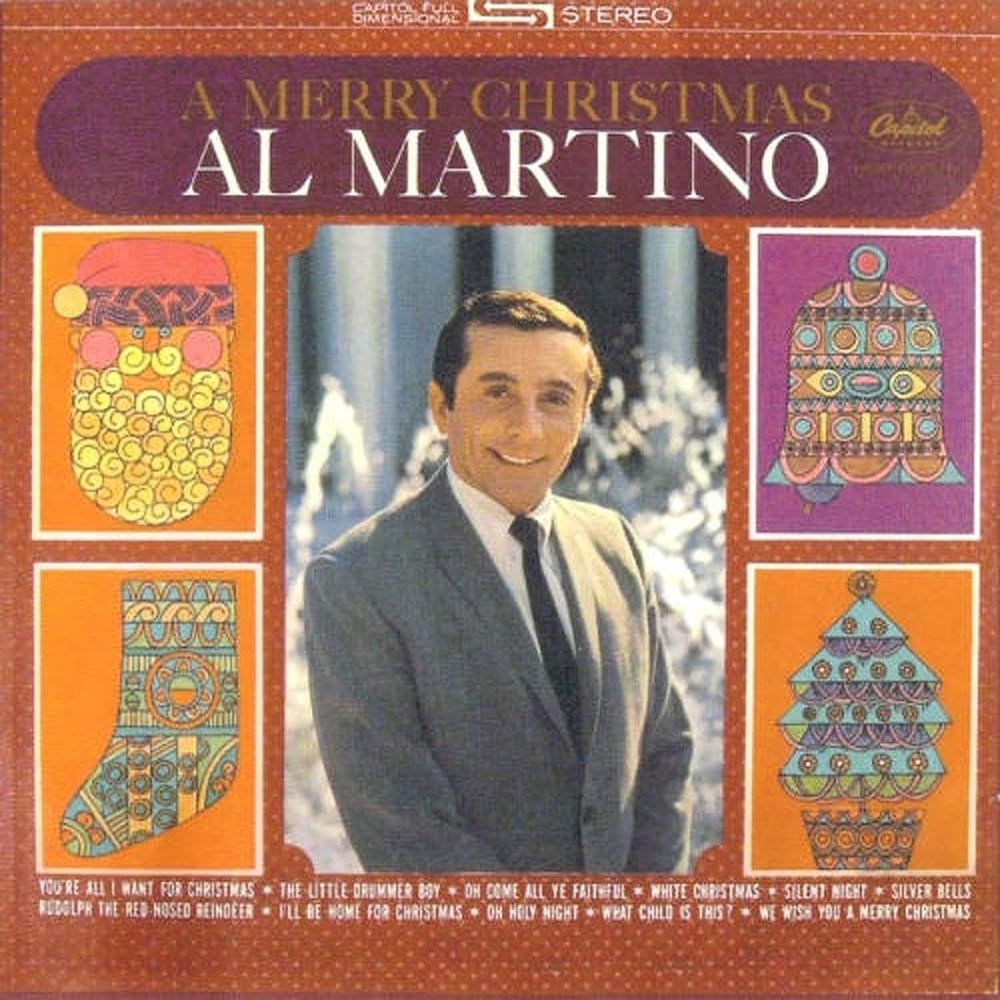
Al Martino's "I'll Be Home For Christmas" is a poignant expression of longing, amplified by the bittersweet undercurrent of wartime separation. The opening lines immediately establish a yearning for a specific, cherished place, intensified beyond the everyday. The promise, "I'll be home for Christmas / You can count on me," is a declaration freighted with the anxieties of a soldier writing home, its sincerity battling against the uncertain realities of war. The listener understands the implied stakes: a promise made not knowing if it can be kept. The request for "snow and mistletoe / And presents under the tree" speaks to a desire for normalcy, a fragile wish to recapture the simple joys of a holiday threatened by larger forces. The imagery is deliberately sentimental, evoking a sense of warmth and comfort that contrasts sharply with the speaker's likely circumstances.
The repetition of "Christmas Eve will find me / Where the love light beams" reinforces the central theme of hope. "Love light" here functions as both a literal and figurative beacon, guiding the narrator (and perhaps, symbolically, others) towards a safe haven. However, the final lines, "If only in my dreams," deliver a devastating blow. The entire song pivots on this conditional, transforming the initial promise into a desperate wish. The stark acknowledgement that homecoming may only be possible in the realm of dreams elevates the song beyond mere holiday sentimentality, tapping into the deeper psychological territory of hope, loss, and the coping mechanisms employed during times of immense stress.
Ultimately, the song's emotional power stems from its quiet resignation. It's not a jingoistic anthem or a triumphant return narrative. Instead, it’s a vulnerable admission of vulnerability, acknowledging the potential chasm between desire and reality. The final repetition of "If only in my dreams" underscores the profound sense of displacement and the psychological weight carried by those separated from their loved ones during the holidays. Martino's delivery, imbued with a world-weary tenderness, only amplifies the song's enduring resonance as a testament to the enduring power of hope in the face of adversity.
 View Artist