Song Meaning
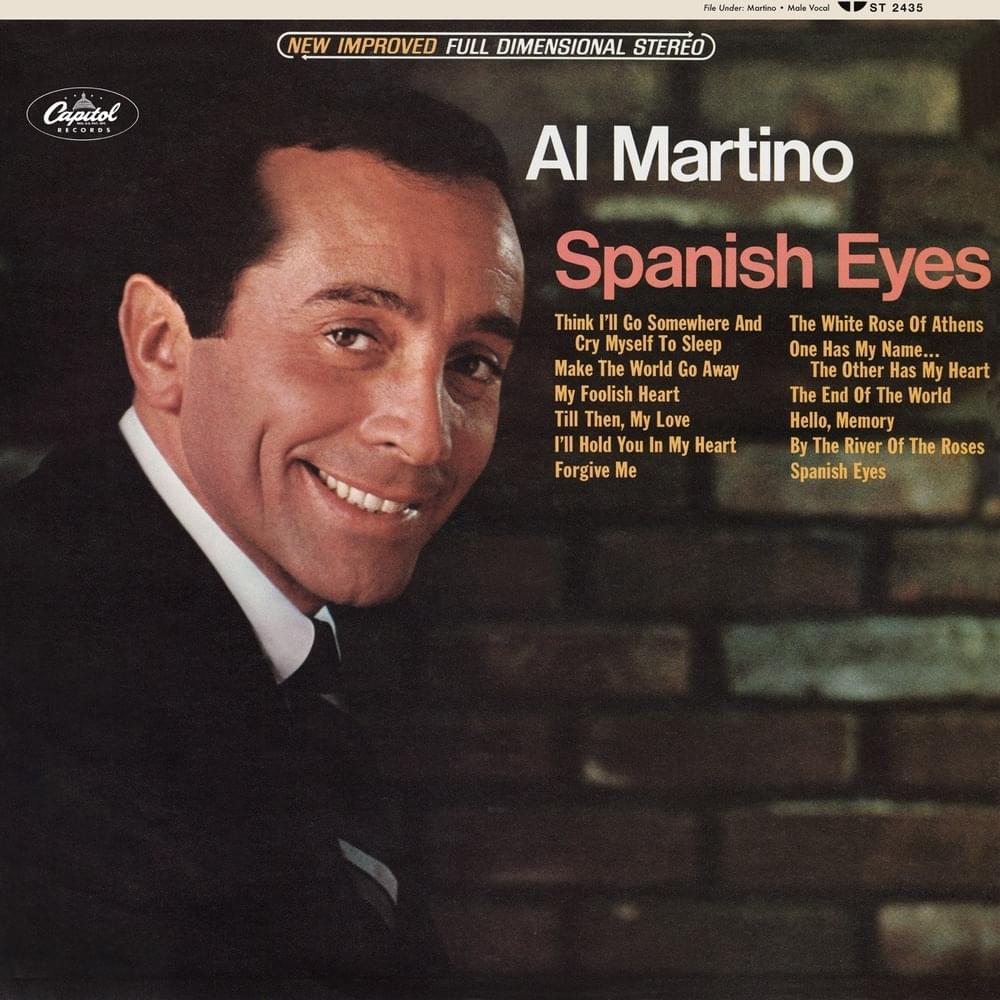
Al Martino's "Forgive Me" isn't a song so much as a raw, exposed nerve. Stripped down to its core, the track hinges on a primal plea: the desperate, almost pathetic, desire for reconciliation. The repetition of "Forgive me, please forgive me" transcends mere apology; it's a mantra born of fear – the fear of loss, of loneliness, of a future irrevocably altered by a past transgression. Martino isn't offering excuses or justifications. He's laid bare, vulnerable, offering only contrition and the promise of renewed affection. The simplicity of the lyrics belies the complex emotional landscape they represent. It's the kind of sentiment that resonates because, at some point, most people have felt the weight of their own actions and the gut-wrenching anxiety of potential abandonment.
The repeated line, "I didn't mean to make you cry," is a fascinating point of psychological tension. Intention, or lack thereof, becomes the crux of the appeal. It subtly shifts the focus, not to absolve responsibility entirely, but to mitigate the perceived severity of the offense. There's an implicit understanding that unintentional wounds, while still painful, are somehow more forgivable. This taps into a deep-seated human desire to believe in the inherent goodness of those we love, to cling to the notion that malice is the exception, not the rule. The earnest delivery, presumably a hallmark of Martino's style, further amplifies this sense of desperate sincerity.
Ultimately, "Forgive Me" finds its power in its stark simplicity and unwavering focus. The notion to "let bygones just be bygones" is a common idiom, but within the context of this song, it becomes a desperate bargain. The final repetition of "And let's be sweethearts again" underscores the underlying need to return to a state of idealized intimacy, a pre-conflict paradise. It's a testament to the enduring human need for connection and the lengths to which we'll go to preserve it, even if it means swallowing our pride and begging for a second chance. The song's meaning lies not in lyrical complexity, but in the universality of its emotional core: the raw, vulnerable plea for forgiveness and the hope of rekindled love.
 View Artist