Song Meaning
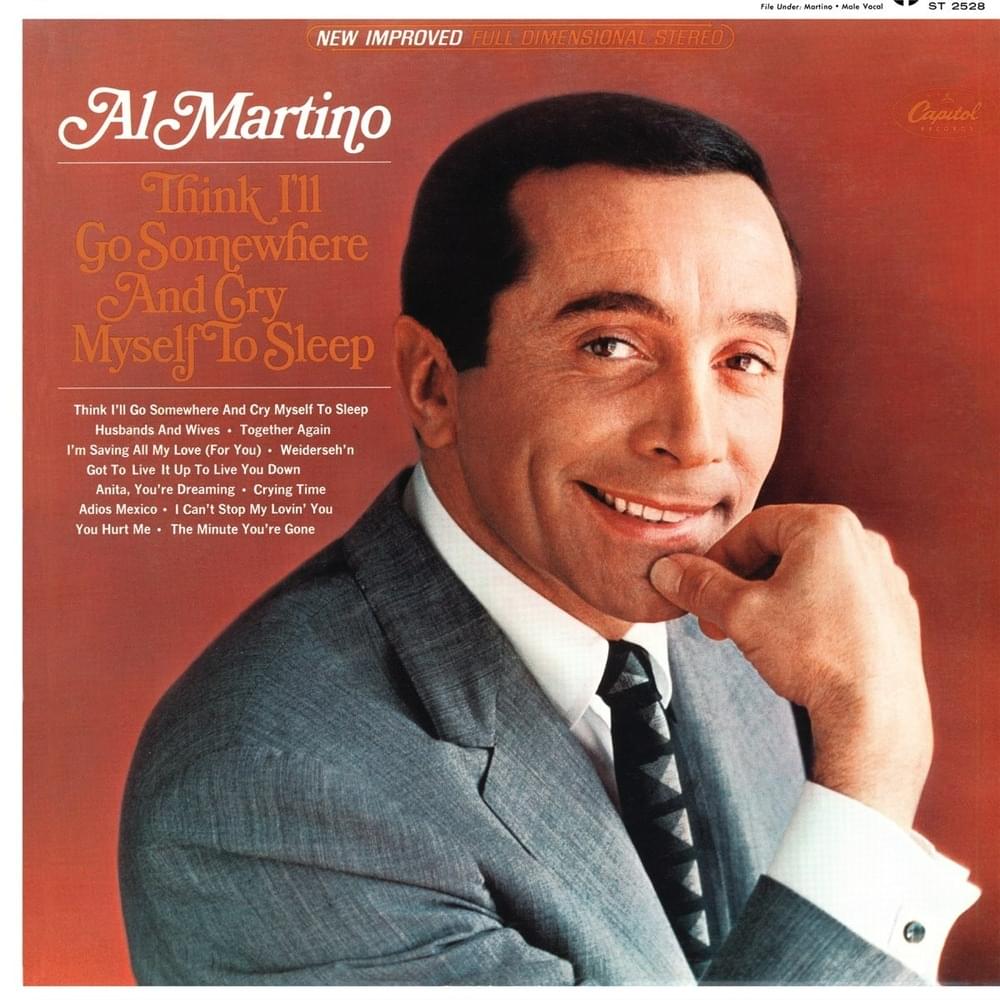
Al Martino's "Anita, You're Dreaming" isn't just a breakup song; it's a study in contrasting realities and the painful unraveling of an illusion. The narrator addresses Anita directly, pleading with her to confront a truth he seems to have already accepted: their relationship exists within a 'dream world,' unsustainable and ultimately destructive. The repeated assertion that 'Anita, you're dreaming' serves as both a lament and a harsh wake-up call, highlighting Anita's perceived inability or unwillingness to see the situation for what it is. The psychological weight of the song lies in the power dynamic; he's the reluctant pragmatist, while she embodies the fading fantasy. This contrast isn't presented as a mutual failing, but rather as Anita's personal struggle to accept an unwelcome reality. The lyrics paint a picture of someone clinging to an idealized version of their connection, a 'world that can never exist.'
The song's emotional core revolves around the narrator's guilt and the moral complexities of his position. He alludes to 'someone who's waiting alone,' suggesting an existing commitment that casts a shadow over his relationship with Anita. This revelation adds a layer of ethical conflict, transforming the song from a simple tale of heartbreak into a contemplation of responsibility and the damage caused by infidelity. The phrase 'my conscience reminds me' underscores the internal struggle he faces, a battle between his desire for Anita and the weight of his obligations. It's a burden he seems unable to reconcile, leading him to the painful conclusion that their separation is inevitable, even if Anita remains trapped in her dream.
The repetition of 'Anita, it's over' and 'there's nothing that's left now to say' creates a sense of finality, but also of resignation. It's not a declaration of anger or resentment, but rather a weary acceptance of a predetermined outcome. The narrator seems to believe that by shattering Anita's illusion, he's ultimately acting in her best interest, even if it causes her immediate pain. The phrase 'I know it's better this way' carries a heavy weight of conviction, suggesting a difficult decision made with a sense of moral imperative. In the end, "Anita, You're Dreaming" explores the dissolution of a relationship through the lens of differing perceptions, ethical dilemmas, and the painful process of confronting reality.
 View Artist