Song Meaning
The lyrics paint a stark picture of a friendship facing the unavoidable transition out of childhood. There's a palpable sense of regret and finality as the narrator acknowledges that certain carefree behaviors are no longer possible. The repeated phrase "childhood's end" acts as a somber refrain, emphasizing the irreversible nature of this shift. It's a moment of shared realization, a mutual acknowledgment that the easy laughter and emotional resilience of youth are behind them.
The central tension lies in the contrast between the past freedom and the present constraints. The narrator laments the inability to "laugh again with no reason" or "fall apart when things go wrong," highlighting a loss of innocence and emotional safety. This isn't just about growing up; it's about the specific ways that maturity forces a change in how one navigates the world and their own feelings. The line "we cannot pin our dreams to the donkey" suggests a loss of whimsical hope, replaced by a more grounded, perhaps less optimistic, reality.
The craft here is deceptively simple, relying on direct statements and clear emotional markers. The repetition of "We cannot" drives home the sense of loss and limitation. The phrase "dirty shame" carries a weight of disappointment, while "Woe is me, my friend" underscores the shared melancholy. The lyrics don't offer complex metaphors; instead, they use blunt, relatable language to articulate the specific grief of outgrowing a phase of life.
This directness is precisely what makes the lyrics resonate. They capture a universal experience – the bittersweet ache of realizing that certain chapters are closed forever. The focus on shared experience, addressing a "friend," makes the loss feel personal and immediate. It’s the quiet, unadorned acknowledgment of a profound change that hits hardest, making the listener reflect on their own moments of transition.
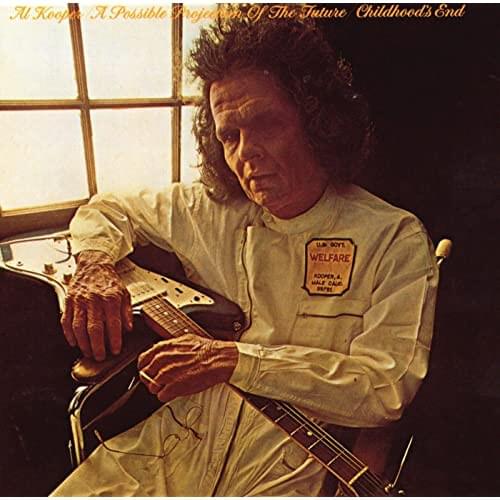
 View Artist