Song Meaning
This is a classic teenage heartbreak ballad, painted in broad, simple strokes. The narrator is reeling from a fight, feeling utterly dejected and isolated. The inability to even call or visit underscores the severity of the rift, leaving them adrift in their sadness. The core of the song is the narrator's desperate attempt to bridge this gap, to prove their sincerity through a tangible, albeit humble, offering.
The central tension lies between the narrator's profound emotional distress and the meager resources they have to express it. They're 'blue as I know how to be,' yet their apology is limited to what fits 'in my jeans at the time.' This contrast between intense feeling and practical limitation is the engine driving the narrative. The gesture itself, a rose and a Baby Ruth, is a poignant symbol of this – a classic romantic token paired with a simple, everyday candy bar.
The lyrics cleverly juxtapose the immediate, almost childlike gesture with a future promise. The present offering is a 'present' to 'prove that I'm telling the truth,' a plea for reconciliation. Yet, the narrator also looks ahead, envisioning a grown-up reunion where they'll 'kiss you too.' This future vision, however, still circles back to the same core offering, suggesting that the essence of their apology, the simple act of giving something meaningful, remains constant.
What makes this so effective is its raw, unvarnished honesty. There's no complex metaphor or wordplay, just a direct outpouring of adolescent angst and a simple, heartfelt attempt at making amends. The repetition of 'doo, doo, doo, doo' acts as a kind of emotional sigh, a wordless expression of the narrator's melancholy. It's this blend of intense feeling and simple, relatable action that resonates, capturing the universal sting of a first real quarrel.
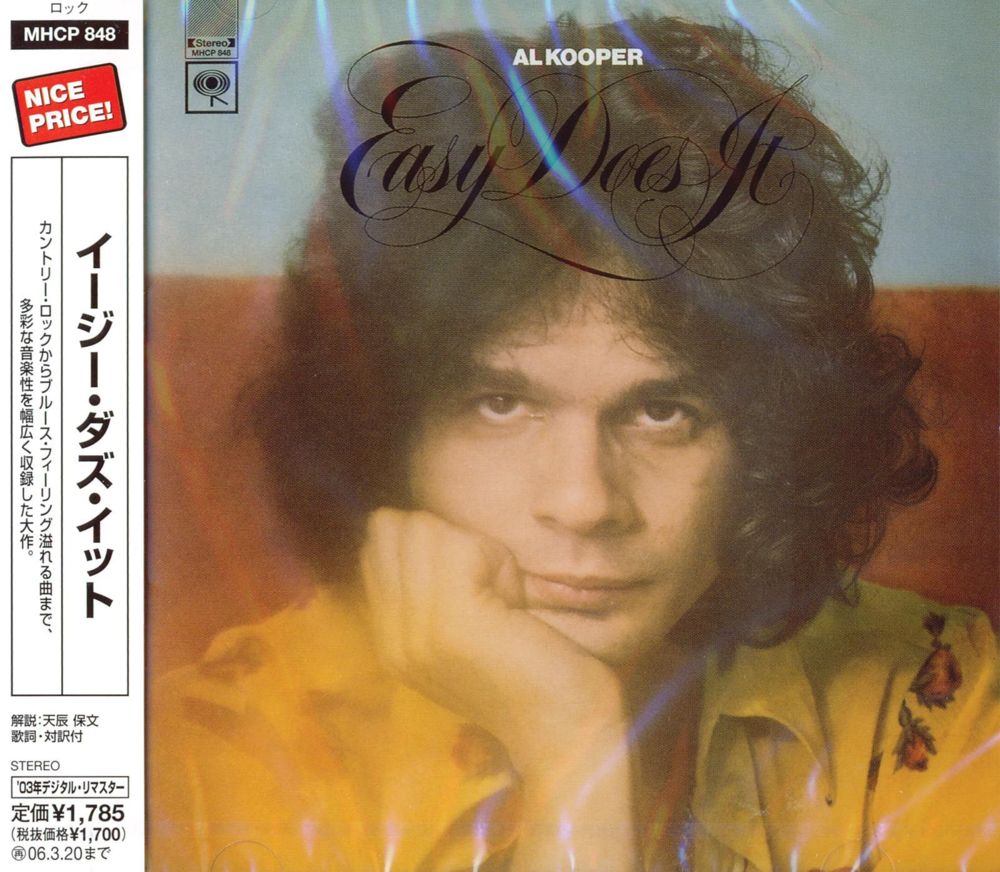
 View Artist