Song Meaning
Al Jolson's "Liza" isn't just a song; it's a concentrated dose of early 20th-century optimism, filtered through the lens of romantic longing. The lyrics paint a simple, almost childlike vision of love as a transformative force. The recurring motif of "clouds roll away" isn't subtle, yet its directness is part of the song's charm. It speaks to a belief in the power of affection to dispel gloom and bring about a brighter emotional landscape. This isn't complex poetry; it's a straightforward plea for connection. The song's structure reinforces this simplicity, circling back to the core desire for Liza's presence and commitment. It's a declaration of dependence, framing Liza's smile as the key to the singer's happiness.
Beneath the surface of sunny pronouncements, there's a subtle undercurrent of vulnerability. The singer isn't merely stating a fact; he's making a request, even a somewhat desperate one. The repetition of Liza's name emphasizes her importance, bordering on idolization. The mention of a "honeymoon" and "Parson Brown" (a common trope for a wedding officiant) pushes the narrative toward a traditional, almost idealized vision of domestic bliss. The singer craves not just companionship but a formalized, socially sanctioned union. This desire reflects a cultural context where marriage was often seen as the ultimate validation of a relationship.
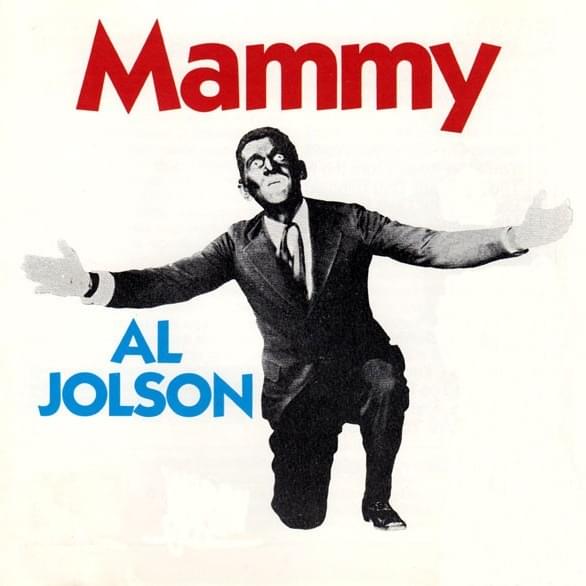
Ultimately, the song meaning rests on the listener's interpretation of that central plea. Is it an innocent expression of affection, or a slightly clingy demand for emotional validation? Perhaps it's both. "Liza" encapsulates a specific kind of romantic yearning – one where the beloved holds the power to banish darkness and usher in perpetual sunshine. Whether that vision is naive, endearing, or a bit of both is left for us to decide. Al Jolson's performance style, known for its emotive delivery, undoubtedly amplified these undertones, adding layers of both charm and pathos to the song's deceptively simple message.
 View Artist