Song Meaning
Al Jolson's "Let Me Sing And I'm Happy" isn't just a vaudeville tune; it's a manifesto of artistic purpose, a primal scream for the power of performance. Stripped bare, the lyrics reveal a performer who finds ultimate fulfillment not in societal impact or political engagement, but in the immediate emotional connection forged through song. The opening lines brazenly dismiss worldly concerns, a calculated move that sets the stage for Jolson's central thesis: the act of singing, and its effect on the audience, is paramount. It's a pointed rejection of responsibility, perhaps, but also a sincere embrace of art's unique ability to bypass the intellect and strike directly at the heart. This song meaning becomes clear: For Jolson, the stage isn't a platform for social commentary; it's a sacred space for emotional alchemy.
The core of the song resides in its conditional structure: *If* my song can make you laugh, cry, dance, or feel homesick, *then* I'm happy. This isn't mere ego; it's a profound understanding of the performer-audience dynamic. Jolson positions himself as a conduit, a vessel through which emotions are channeled. His happiness is contingent on his ability to elicit a response, to move people through the sheer force of his performance. The repeated emphasis on happiness underscores the almost childlike joy he derives from this connection. It suggests a deep-seated need for validation, a craving for the reciprocal energy that only a live audience can provide. Is this neediness a weakness? Perhaps. But it's also the engine that drives his artistry.
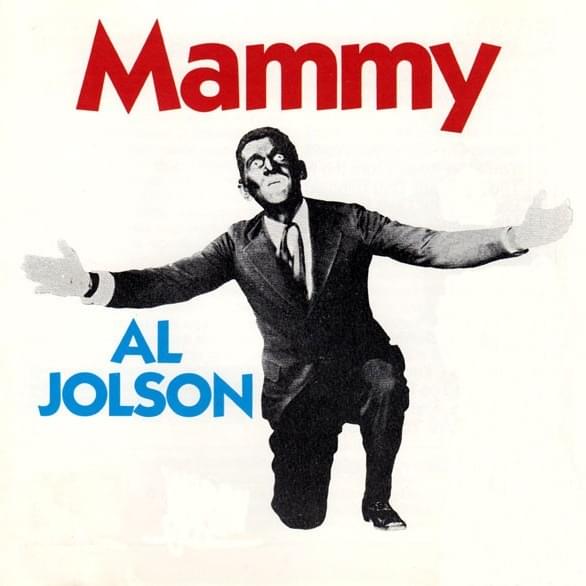
Finally, the inclusion of "Dixie's charms" and "mammy's arms" adds a layer of complex cultural baggage. While potentially problematic through a modern lens due to its romanticized view of the Antebellum South, within the song's context, it reinforces the theme of emotional manipulation. Jolson isn't just singing; he's deliberately invoking nostalgia, tapping into a collective memory (however skewed) to elicit a specific emotional response. It's a calculated move, a demonstration of his mastery over the art of performance. The song, therefore, becomes a potent, if somewhat unsettling, exploration of the performer's power and the audience's vulnerability. It's a reminder that art, at its most effective, can bypass our defenses and leave us emotionally exposed, whether we like it or not.
 View Artist