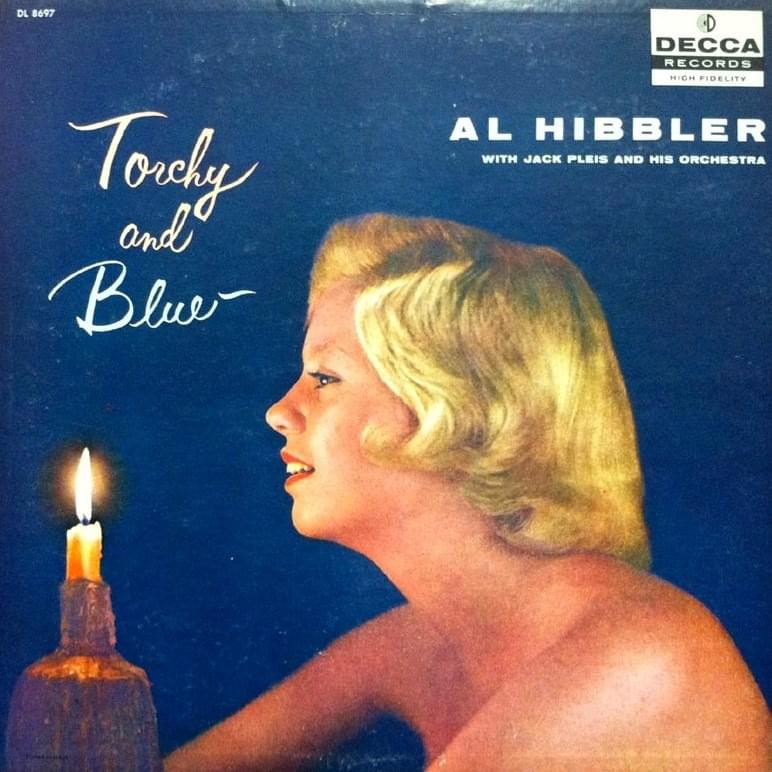
Song Meaning
Al Hibbler's "I Like the Sunrise" isn't just a paean to dawn; it's a vulnerable confession of exhaustion and a yearning for renewal. Hibbler, known for his emotive delivery, imbues the simple lyrics with a profound sense of weariness, transforming a common appreciation for daybreak into something deeply personal. The repeated phrase "I like the sunrise" acts as both a mantra and a plea, a fragile attempt to grasp at optimism amidst an unspoken struggle. It's the kind of sentiment that resonates with anyone who's ever felt the weight of the world pressing down on them.
The song's brilliance lies in its ability to convey complex emotions through deceptively simple imagery. Night isn't just the absence of light; it's a "heavy blue curtain" representing burden and sorrow. The desire for a "brand-new bright tomorrow" speaks to more than just a fresh start; it's a hope for liberation from whatever darkness the singer is facing. The saxophone solo acts as an emotional release valve, offering a moment of wordless expression that amplifies the song's underlying tension.
Ultimately, the most poignant line in Hibbler's "I Like the Sunrise" is "I hope it likes poor me." It encapsulates the essence of the song meaning: a desperate craving for acceptance and reciprocation from the universe. The sunrise, a symbol of hope and new beginnings, becomes personified, and Hibbler's plea reveals a deep-seated vulnerability. It is not enough that the sunrise simply *exists*; he needs it to acknowledge him, to offer him solace and validation. This quiet desperation transforms a simple appreciation into a profound statement about the human need for connection and the search for light in the face of personal darkness.