Song Meaning
The narrator grapples with the idea that every human experience, particularly love, has been lived countless times before. The opening lines establish this, noting that even profound moments like sharing a kiss or hearing "You love me" are ancient rituals. This awareness creates a sense of déjà vu, a feeling that the present is merely a rerun of the past. Yet, this existential observation is immediately countered by a powerful personal revelation.
The central tension arises from the contrast between the universal, historical repetition of actions and their intensely personal, novel impact on the narrator. While acknowledging that "everything's been done before," the lyrics insist that these same acts feel "new to me" when experienced with a specific person. This suggests that the emotional resonance of love transcends its historical context, making each instance feel fresh and unique to the individuals involved. The birds singing, a timeless symbol of spring, are suddenly imbued with new meaning.
The most striking aspect of the writing is its direct, almost conversational acknowledgment of this paradox. The lines "Though I know I'm only doing what the others do / Still it all seems new" perfectly capture this internal conflict. It's not a denial of history, but an embrace of how personal connection can reframe even the most familiar experiences. The reference to Adam and Eve grounds the act of falling in love in its most primal, archetypal form, yet the narrator still finds it a novel sensation.
Ultimately, these lyrics resonate because they articulate a common human feeling: the wonder of experiencing something profound for the first time, even when intellectually aware of its historical precedent. The writing's strength lies in its simple, honest admission that love's power lies not in its originality, but in its capacity to make the old feel eternally new. The narrator's desire to "do what's been done before" becomes an affirmation of love's enduring, personal magic.
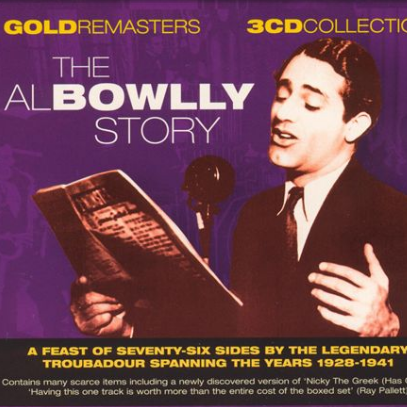
 View Artist