Song Meaning
The lyrics paint a stark picture of existence stripped bare, where the absence of a loved one renders everything meaningless. The narrator uses a series of powerful, desolate images to define this void: a starless night, a leafless rose bush, a dry torrent. These aren't just metaphors; they're presented as the literal equivalent of a world without the beloved's love, establishing an immediate, almost suffocating dependency. The core message is clear: this person is not just important, they are the entire foundation of the narrator's reality.
The central tension lies in the narrator's desperate plea against the possibility of separation. The repeated question, "Qué haría yo" (What would I do?), echoes with a profound sense of helplessness. This isn't a fear of loneliness; it's a fear of non-existence, as the narrator equates living without their partner's affection to "not living" at all. The world outside is depicted as a cruel, uncomprehending place, where one would speak to the deaf and be met with utter indifference, amplifying the isolation that separation would bring.
The most striking aspect of the writing is the relentless, almost hyperbolic assertion of the beloved's centrality. Phrases like "Tú eres el mundo para mí" (You are the world to me) and "Tú eres la vida para mí" (You are life to me) are not mere declarations of love but statements of absolute necessity. The repetition of "Te tengo a ti / Solo a ti" (I have you / Only you) reinforces this exclusivity, suggesting that this singular connection is the sole source of meaning and vitality, making any other aspect of the world irrelevant if that connection is broken.
This lyrical construction is effective because it bypasses nuanced emotional exploration for raw, unadulterated devotion. The narrator doesn't analyze their feelings; they simply state their absolute dependence, using vivid, elemental imagery to convey the catastrophic impact of loss. The directness and the stark, almost primal, declarations create a powerful emotional resonance, leaving the listener with a clear understanding of the profound, all-encompassing nature of the narrator's love and fear.
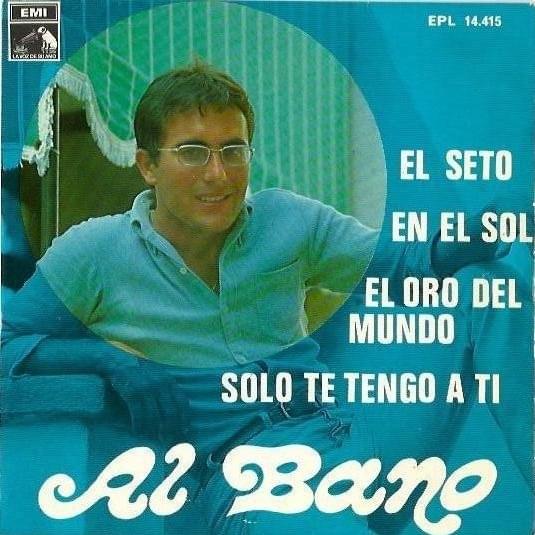
 View Artist